



Contents
- 1 World’s Richest 1% Already Used Their Fair Share of Emissions for 2026
- 2 The Growing Carbon Divide
- 3 What Does a “Fair Share” of Emissions Mean?
- 4 The Cost of Overshooting Our Carbon Budget
- 5
- 6 Climate Inequality and Historical Responsibility
- 7 Solutions That Level the Carbon Playing Field
- 8 The Power of Individual and Corporate Choices
- 9 Looking Ahead
- 10 FAQs
According to Oxfam – already just two weeks into 2026, the world’s richest 1% have already burned through their “fair share” of carbon emissions for the entire year while the richest 0.1 % exhausted theirs in only about three days.
The charity’s analysis shines a harsh light on the growing inequality between those who live carbon-heavy lifestyles (probably like most of the readers here) and those who barely contribute to the problem yet feel its worst impacts.
Every day there are sobering reminders that climate change isn’t just an environmental crisis, it’s a story of human imbalances causing even further harm to the most vulnerable (and non responsible).
The Growing Carbon Divide
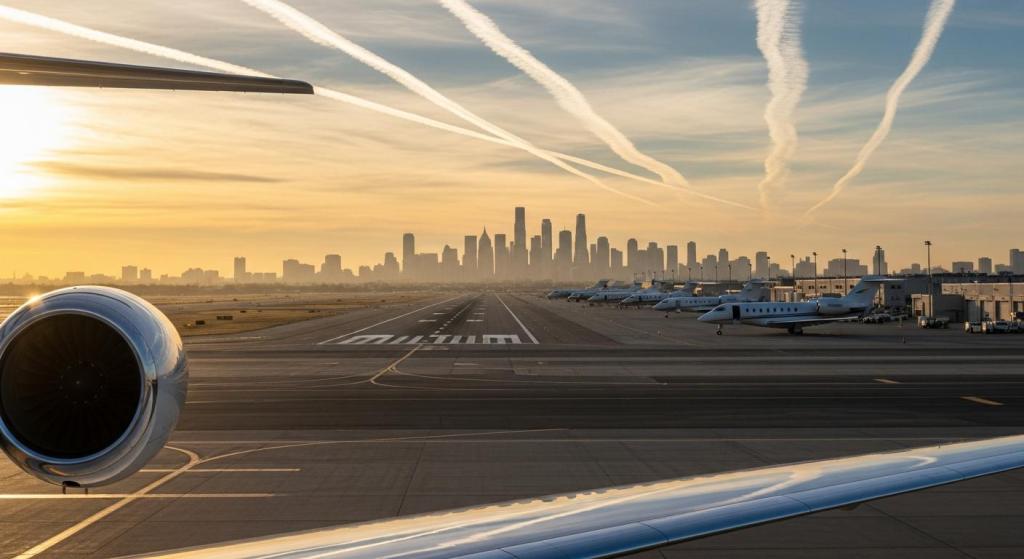
The fact that Oxfam’s latest findings highlight that the wealthiest 1% of people are responsible for an outsized portion of global emissions roughly as much as the poorest two-thirds of the planet combined is not exactly shocking. Their yachts, private jets, luxury real estate, and high-consumption habits are not just symbols of wealth; they’re symbols of energy use far beyond what the planet can sustain using current technologies and resources. Meanwhile, billions of people who contribute the least to global warming are facing droughts, floods, and food insecurity driven by a destabilizing climate.
The term “fair share” refers to how much carbon dioxide each person could emit if the world’s total emissions were evenly distributed. Scientists use something called a carbon budget to determine this number essentially, the total amount of greenhouse gases humanity can release before exceeding the temperature limits set by the Paris Agreement.
Think of it like a global bank account for carbon. The account is almost empty, and the wealthiest have already spent much more than their fair portion. To meet the 1.5°C target (which is too late) the threshold scientists say is crucial to avoid the most catastrophic climate impacts the world must drastically reduce emissions. But when the richest few consume far beyond planetary means, the math simply doesn’t add up.
The Cost of Overshooting Our Carbon Budget
When humanity overshoots its carbon budget, we don’t just pay with numbers we pay with lives, ecosystems, and future stability. The consequences are already visible: intensifying wildfires, melting glaciers, and more frequent extreme weather events. Each ton of carbon emitted by luxury consumption carries a ripple effect that extends far beyond the source.
Climate Inequality and Historical Responsibility
Carbon inequality mirrors global inequality. High-income countries which industrialized early have already used the majority of the planet’s carbon allowance. Developing nations, which are still building basic infrastructure and energy access, are left to balance growth with climate constraints they didn’t create.
Oxfam’s report underscores that the world’s poorest half contributes less than 10% of total emissions. Yet they are often the ones uprooted by floods in Bangladesh, watching crops fail in Kenya, or enduring heatwaves in India. The climate crisis, in this sense, isn’t equal it’s deeply unjust.
Solutions That Level the Carbon Playing Field
So where do we go from here? Oxfam’s recommendations include progressive carbon taxes, increased wealth taxes, and greater investment in renewable infrastructure. The idea isn’t just to penalize the rich but to shift incentives to make low-carbon lifestyles the most desirable and accessible option for all.
Policy tools like carbon pricing, emissions caps, and stricter regulations on private aviation can make a difference. But international cooperation remains essential. Without collective action including technology transfers, climate financing for developing nations, and transparent reporting efforts by any single country will fall short.
The Power of Individual and Corporate Choices
It’s easy to feel powerless in the face of billion-dollar emissions, but change rarely starts from the top alone. Individuals can reduce their footprint by reconsidering air travel, supporting renewable energy providers, or choosing sustainable diets. These actions matter not because they solve the crisis on their own, but because they signal public will a force that drives corporate and political change.
Corporations, too, are being called to account. Many are setting net-zero targets, investing in green technologies, and rethinking supply chains. When companies like Microsoft or Unilever tie executive pay to climate goals, they send a signal to markets and competitors alike: sustainability isn’t just a moral choice; it’s smart business.
Looking Ahead
The truth is, we already have the knowledge and technology to build a fairer, cleaner world. Renewable energy is cheaper than ever. Cities are reimagining transport systems. Consumers are demanding transparency.
Oxfam’s warning is a wake-up call, not a death sentence. If the richest 1% have already used their fair share, then rebalancing the scales is both an environmental and ethical imperative. A livable future depends on collective restraint, smarter policies, and a shared belief that prosperity doesn’t have to mean pollution.
FAQs
According to Oxfam’s 2026 analysis, the world’s richest 1 % of people have already emitted more carbon dioxide than their “fair share” of the global carbon budget for the entire year — just 10 days into 2026. The richest 0.1 % exhausted theirs in only about three days.
Scientists estimate how much carbon the world can emit in a year without exceeding the Paris Agreement target of limiting warming to 1.5 °C. This total is then divided equally among people. A group’s “fair share” means how much carbon they should emit if everyone had an equal allowance.
3. How is the carbon budget calculated?
Oxfam’s estimate uses UNEP’s emissions budget for 1.5 °C compatibility — roughly 2.1 tonnes of CO₂ per person per year (based on projected 2030 figures and current emissions data). The richest individuals emit far more per person than this.
Because:
-
If the richest pollute more than their share early in the year, less “budget” remains for others while still staying within safe warming limits.
-
The poorest people do far fewer emissions but suffer worse climate impacts like droughts, floods, hunger and economic losses.
5. How much more do the richest pollute compared with others?
Oxfam data shows that the richest 1% emit many times more carbon per person than average or poorer groups. For example:
-
Someone in the richest 1% may emit tens of tonnes of CO₂ per year, while people in the poorest half emit just a few tonnes per year.
This article is for informational purposes only.
Reference: https://www.theguardian.com/environment/2026/jan/10/world-richest-used-fair-share-emissions-2026-oxfam


Dr. Alexander Tabibi is an entrepreneur, investor, and advocate for sustainable innovation with a deep commitment to leveraging technology for environmental and social good. As a thought leader at the intersection of business and sustainability, Dr. Tabibi brings a strategic vision to Green.org, helping guide its mission to inspire global climate awareness and actionable change.
With a background in both medicine and business, Dr. Tabibi combines analytical rigor with entrepreneurial insight.