



The ocean’s depths, often imagined as a barren landscape, have revealed astonishing secrets in recent years. The discovery of the deepest-known animal communities, residing nearly six miles below sea level, has captivated scientists and captured the imagination of the public. This breathtaking revelation challenges our understanding of where life can thrive and underscores the resilience and adaptability of living organisms. This story takes us to one of the Earth’s most remote locations: the Mariana Trench, a region marked by its extreme conditions and remarkable biodiversity.
Contents
The Unseen World of the Mariana Trench
The Mariana Trench, located in the Pacific Ocean, is the deepest part of the world’s oceans, plunging to depths of over 36,000 feet. It is a place where light cannot penetrate, temperatures hover just above freezing, and immense pressure—more than a thousand times that at sea level—defines the environment. Yet, despite these seemingly inhospitable conditions, life flourishes in unexpected ways.
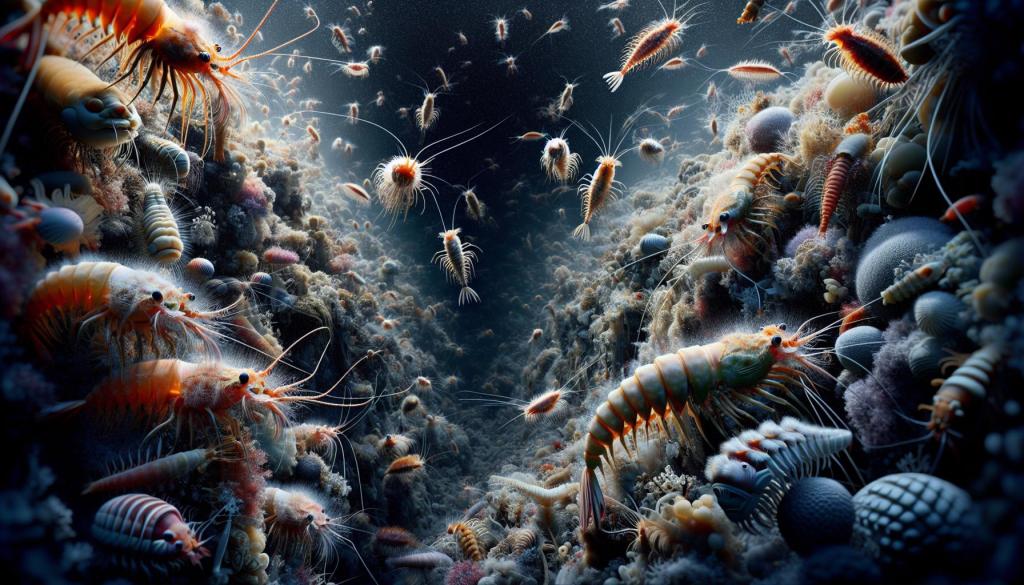
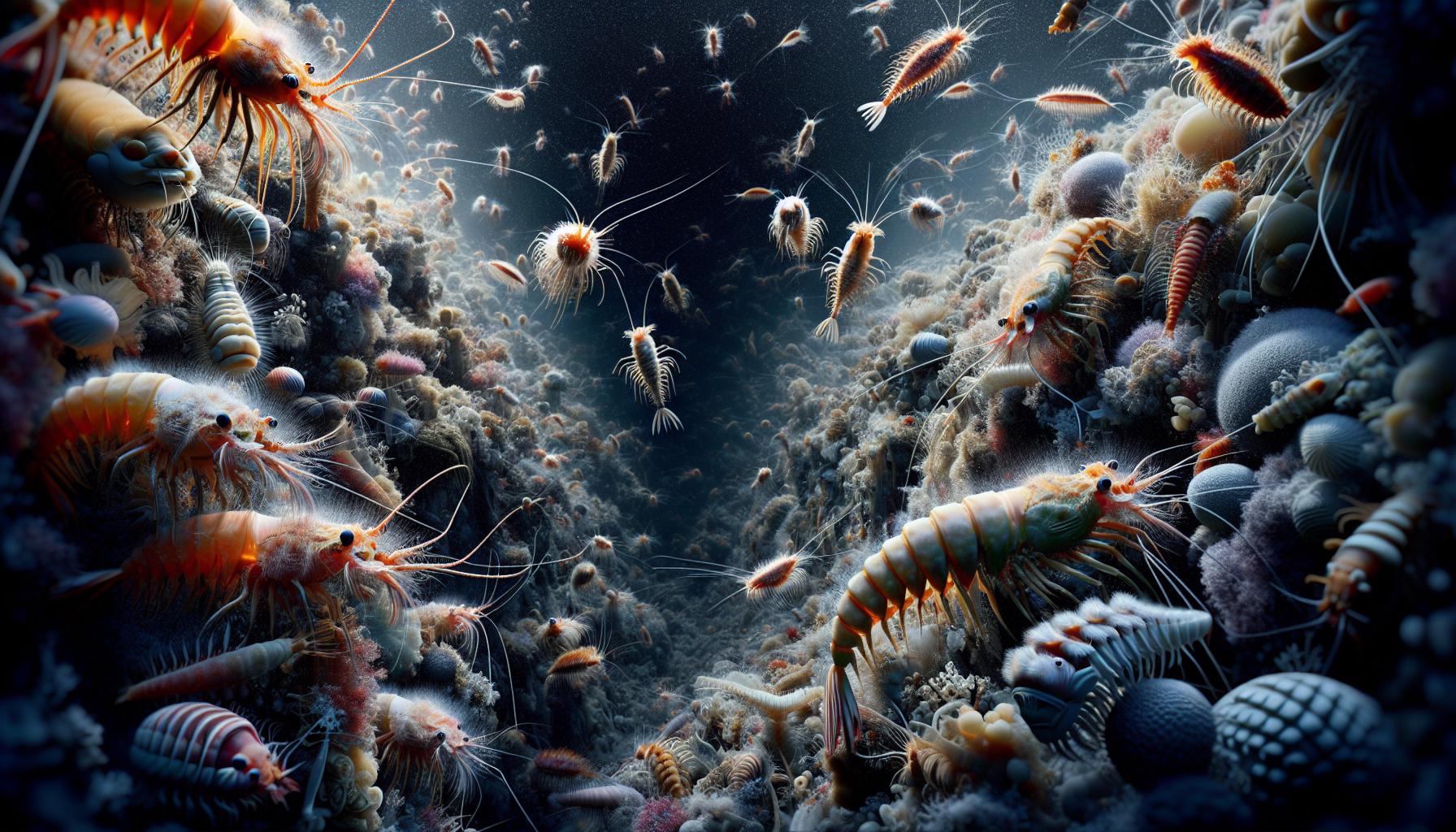
Recent explorations by deep-sea vehicles have uncovered communities of organisms that have adapted to this dark and high-pressure environment. These discoveries include a range of creatures from simple microbes to complex multicellular organisms such as amphipods, a type of shrimp-like crustacean. Such wildlife has evolved to survive with minimal light and an abundance of pressure, demonstrating the resilience of life on Earth.
Adapting to Extremes
How do these creatures manage to survive in such extreme conditions? The answer lies in their unique adaptations. Organisms in the Mariana Trench have evolved special physiological traits to withstand extreme pressure and cold. For example, their cellular membranes contain high levels of unsaturated fats, which maintain flexibility under pressure. These organisms also tend to have slower metabolisms and unique feeding strategies focused on scavenging the organic materials that drift down from above.
One of the most fascinating adaptations involves the use of chemosynthesis, a process similar to photosynthesis but relying on chemical reactions rather than sunlight to produce energy. In deep-sea hydrothermal vent communities, bacteria harness energy from chemicals such as hydrogen sulfide, providing a basis for an entire ecosystem that thrives independently of solar energy.
Implications for Biodiversity and Conservation
The discovery of these deep-sea animal communities has significant implications for our understanding of biodiversity. It suggests that there might be even more complex eco-systems thriving in other unexplored areas of our planet’s oceans. According to a detailed study on the Mariana Trench, these findings highlight the importance of conserving deep-sea environments, which are currently under threat from increasing human activities such as deep-sea mining and pollution.
Conservation efforts are crucial to preserving these unique ecosystems. Unlike more familiar and accessible environments, deep-sea habitats are difficult to study and thus more vulnerable to exploitation and damage. Protecting these areas not only safeguards the rich biodiversity within but also ensures that we continue to learn from these organisms, potentially unlocking new scientific and medical breakthroughs.
Technological Advances in Deep-Sea Exploration
The ability to explore these unreachable depths has greatly improved, thanks to advancements in technology. Remotely operated vehicles (ROVs) and manned submersibles have allowed scientists to observe and collect specimens from the ocean’s abyss. These tools are equipped with cameras, sampling devices, and scientific instruments that can withstand the intense pressure at these depths.
In recent years, the development of autonomous underwater vehicles (AUVs) has provided a more efficient and less costly means of exploration. These robots can be pre-programmed to navigate tricky terrains and collect data over long periods, amplifying the amount of information scientists can gather. With continued technological advances, we anticipate even more groundbreaking discoveries in the future.
Protecting the Unseen Corners of Our Planet
The exploration of the Mariana Trench’s depths offers us valuable insights into the resilience and diversity of life on Earth. Despite their remote location, these animal communities face threats from human activities including pollution and proposed mining ventures. International cooperation and policy-making are essential to protect these areas adequately.
Several international treaties, such as the Convention on Biological Diversity, address the protection of marine life, but specific regulations targeting deep-sea conservation are still developing. Efforts to establish marine protected areas (MPAs) in international waters, like those led by the United Nations, are critical to ensuring the long-term survival of these ecosystems.
Future Perspectives
As our understanding of deep-sea environments grows, so does our appreciation for the complexity and resilience of life in Earth’s most extreme habitats. These findings encourage a balanced view of human activity and environmental stewardship, highlighting the need for sustainable practices that do not compromise the health of our planet’s oceans. By continuing to explore and protect these deep-sea treasures, we not only advance scientific knowledge but also uphold our responsibility to promote biodiversity for future generations.
These revelations from the depths of the Mariana Trench remind us that there is still much to learn about our planet. As researchers venture further into the unknown, the lessons from these deep-sea communities provide hope and insight into the hidden wonders of our world, urging us to act wisely in safeguarding these vital ecosystems.
For more insights into the ecological importance of deep-sea ecosystems, consider exploring this detailed study on the Mariana Trench.


Dr. Alexander Tabibi is an entrepreneur, investor, and advocate for sustainable innovation with a deep commitment to leveraging technology for environmental and social good. As a thought leader at the intersection of business and sustainability, Dr. Tabibi brings a strategic vision to Green.org, helping guide its mission to inspire global climate awareness and actionable change.
With a background in both medicine and business, Dr. Tabibi combines analytical rigor with entrepreneurial insight.