



Contents
- 1
- 1.1 Introduction: Global Warming and Economic Inequality
- 1.2 Carbon Footprint and Economic Status
- 1.3 The Role of Luxury Consumption
- 1.4 Patterns of Energy Use in High-Income Groups
- 1.5 Policy and Regulation Challenges
- 1.6 The Social Responsibility of the Wealthiest
- 1.7 Pathways to Reducing the Environmental Impact of the Richest
- 1.8 Conclusion and Call to Action
Introduction: Global Warming and Economic Inequality
Global warming is one of the most urgent threats facing our planet today. While it affects everyone—from rising sea levels to extreme weather—it doesn’t affect everyone equally, nor is everyone equally responsible. A growing body of research reveals a startling truth: the richest 10% of the global population are responsible for nearly two-thirds of global carbon emissions.
If you’re reading this from a high-income country or own multiple consumer electronics, drive frequently, or take long-haul flights, chances are you’re part of that 10%. The connection between wealth, consumption, and carbon emissions is clearer than ever—and it’s reshaping how we understand climate accountability.
Carbon Footprint and Economic Status
A carbon footprint refers to the total amount of greenhouse gases, especially carbon dioxide (CO₂), that an individual or group produces—primarily through activities like transportation, energy use, and consumption. The more goods and services you consume, the larger your footprint tends to be.
According to the United Nations Environment Programme (UNEP), the top 10% of income earners globally are responsible for over 50% of global emissions, while the bottom 50% account for less than 10%. In short, wealth buys comfort, but it also comes with a cost—often paid by the environment and by vulnerable populations who contribute least to climate change.
The Role of Luxury Consumption
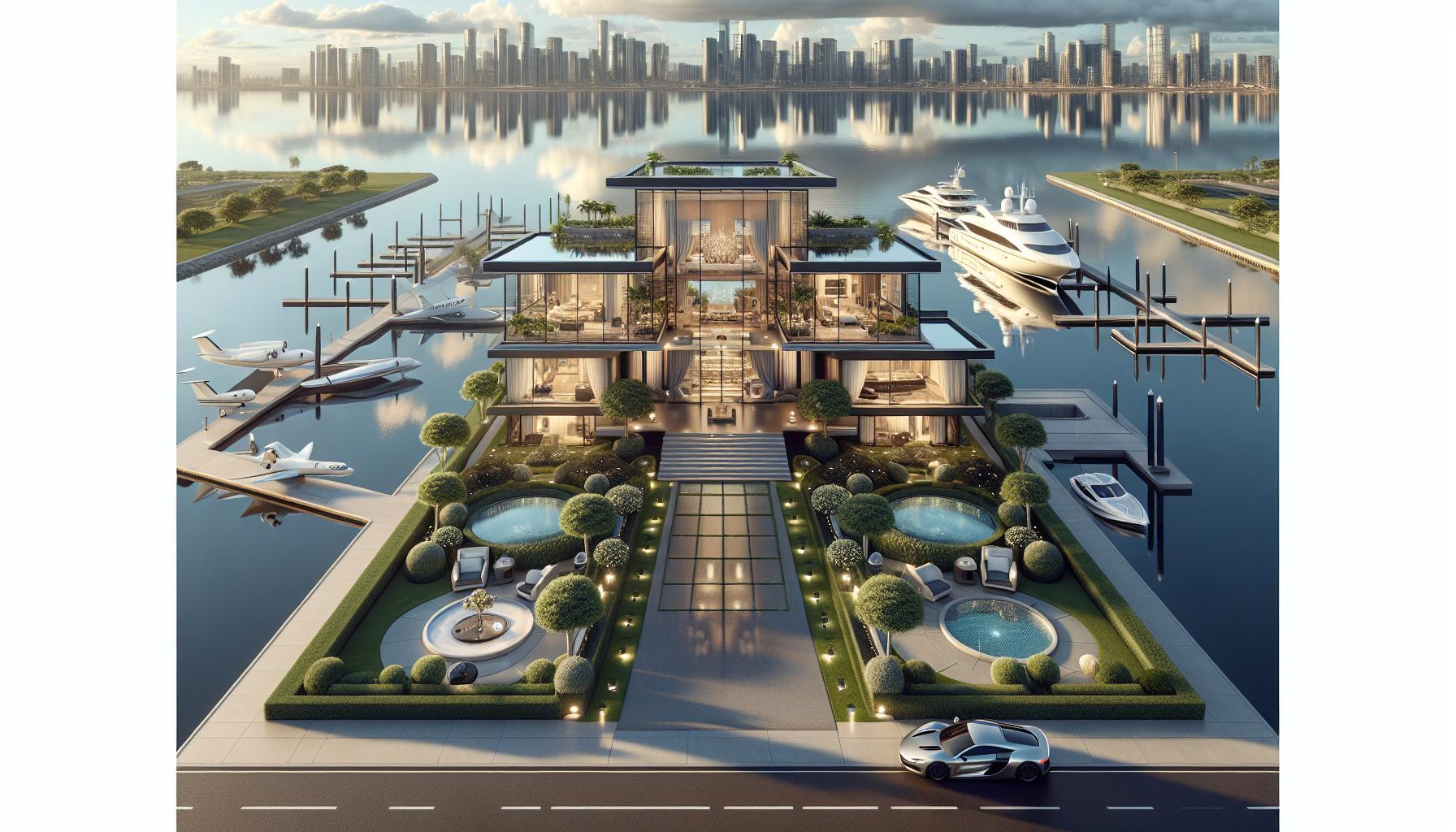
Luxury consumption disproportionately drains environmental resources. Private jets emit up to 40 times more CO₂ per passenger than commercial flights. Superyachts burn tens of thousands of gallons of fuel annually. High-end fashion, oversized homes, exotic vacations, and imported foods—all hallmarks of high-income lifestyles—contribute significantly to emissions and resource depletion.
The carbon footprint of luxury goods isn’t just larger—it’s exponentially so. For example:
- A single luxury SUV emits significantly more carbon than an economy vehicle.
- A first-class international flight emits nearly four times the carbon of an economy seat.
- Wealthy individuals with multiple homes contribute to urban sprawl and increased energy consumption.
Patterns of Energy Use in High-Income Groups
Wealthier individuals not only consume more but often rely on the most energy-intensive forms of consumption. Research published in Nature Sustainability highlights that income, rather than population size, is the primary driver of emissions.
Key patterns include:
- Larger homes requiring more heating, cooling, and electricity
- Frequent air travel, including private aviation
- Increased car ownership, often with gas-powered vehicles or multiple-car households
- Higher meat and dairy consumption, which are resource-intensive industries
This disproportionate use of energy and resources creates a significant environmental imbalance that cannot be addressed without targeting these patterns.
Policy and Regulation Challenges
Despite clear evidence of the climate impact of high-income lifestyles, current climate policies often fall short. Carbon taxes and emissions regulations tend to target industry or general consumption, while elite emissions frequently go unchecked.
The wealthy have greater means to:
- Avoid taxes through offshore accounts and carbon loopholes
- Influence political systems and delay climate legislation
- Shift the burden of climate responsibility to lower-income populations
To be effective, climate policy must include progressive taxation on luxury emissions, bans or limits on private jets, incentives for sustainable investments, and strict environmental standards for luxury goods and services.
The Social Responsibility of the Wealthiest
With great wealth comes significant responsibility. High-net-worth individuals and corporations have the power to drive large-scale change—but are they doing enough?
While some billionaires and celebrities fund green initiatives or invest in clean tech, many of these efforts are:
- Voluntary rather than regulated
- Limited in scale relative to the wealth and impact of the individual
- Offset-focused, rather than changing core consumption behaviors
True leadership involves more than donations. It includes shifting personal habits, influencing peers, and using capital to foster long-term sustainable systems, not just green branding.
Pathways to Reducing the Environmental Impact of the Richest
Reducing emissions from the wealthiest individuals is essential for achieving climate targets like those outlined in the Paris Agreement. Some key strategies include:
- Technology solutions: Promote the adoption of electric vehicles, smart homes, and renewable energy systems in high-income homes.
- Luxury taxes on emissions: Tax private jet fuel, yacht ownership, and other high-emission activities to reflect their environmental costs.
- Sustainable investment incentives: Encourage wealthy investors to fund green infrastructure, clean energy, and carbon removal technologies.
- Green lifestyle trends: Normalize and promote eco-conscious habits among elites—making sustainability aspirational and socially rewarded.
These pathways are not about eliminating comfort, but about responsible consumption that doesn’t jeopardize the planet for future generations.
Conclusion and Call to Action
Climate change is a shared global challenge—but its root causes and solutions are not evenly distributed. The data is clear: the top 10% wealthiest people on Earth are disproportionately responsible for global warming.
We need systemic change—not only to regulate harmful emissions but also to create a culture of accountability and ethical leadership among the most affluent. This means designing climate policies that are bold, equitable, and targeted. It also means expecting more from those who have more—more responsibility, more transparency, and more action.
The time for change is now. Whether you’re a policymaker, a business leader, or a conscious consumer, your voice and actions matter.
Want to learn more about climate justice and how we can reshape global systems for a greener future? Explore more on Green.org and join us in the fight for a fairer, cooler planet.


Dr. Alexander Tabibi is an entrepreneur, investor, and advocate for sustainable innovation with a deep commitment to leveraging technology for environmental and social good. As a thought leader at the intersection of business and sustainability, Dr. Tabibi brings a strategic vision to Green.org, helping guide its mission to inspire global climate awareness and actionable change.
With a background in both medicine and business, Dr. Tabibi combines analytical rigor with entrepreneurial insight.