


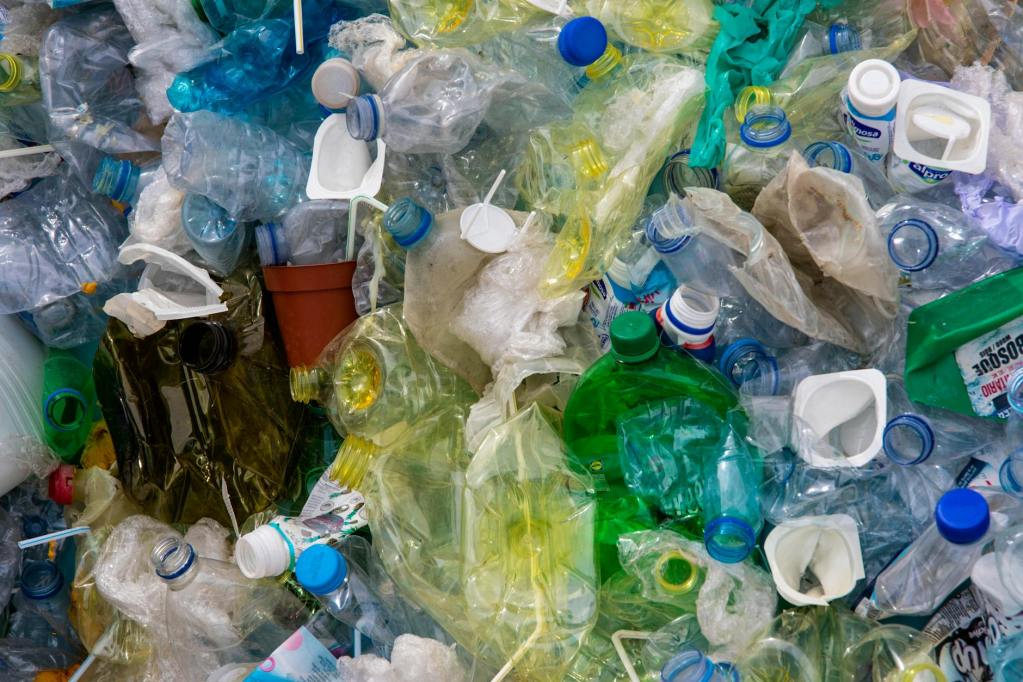
Plastic pollution is no longer just a waste issue—it is disrupting Earth’s entire systems, exacerbating climate change, biodiversity loss, ocean acidification, and the depletion of freshwater and land resources. A recent scientific analysis highlights the urgent need for global action to address the full life cycle of plastics, from production to disposal.
Contents
Key Findings:
- Scale of Production: In 2022, over 506 million tonnes of plastic were produced globally, yet only 9% was recycled. The majority ends up in landfills, is burned, or leaks into the environment.
- Global Presence: Microplastics are found everywhere, from Mount Everest to the Mariana Trench, and even within human bodies.
- Chemical Threat: Plastics contain thousands of chemicals, including endocrine disruptors and “forever chemicals,” which harm ecosystems and human health.
System-Wide Impacts:
- Climate Change: Most single-use plastics (98%) are derived from fossil fuels, releasing greenhouse gases throughout their lifecycle.
- Biodiversity Loss: Plastics disrupt ecosystems by entangling wildlife and leaching harmful chemicals.
- Ocean Acidification: Plastic waste contributes to ocean degradation, affecting marine ecosystems and biodiversity.
- Resource Depletion: Plastic production strains freshwater and land resources.
The Path Forward: A Global Treaty
On 25 November 2024, international delegates will gather in South Korea to negotiate a legally binding treaty to reduce plastic pollution. However, progress has been hindered by debates over reducing production, with fossil fuel and industry lobbyists pushing to avoid limits. At past negotiations, lobbyist registrations increased dramatically, reflecting strong resistance from the $712 billion plastics industry.
Experts emphasize that plastic pollution must be addressed holistically, covering its entire life cycle. According to Luis Vayas Valdivieso, chair of the UN treaty talks, “We cannot manage the amount of plastic we are producing. Only 10%gets recycled; something must be done.”
Why Action is Urgent:
- Health Risks: Plastics and their chemical components are now found in human bodies, posing unknown long-term health effects.
- Environmental Crisis: Without intervention, plastic production and waste will continue to drive ecological harm, threatening both people and the planet.
A Call for Comprehensive Solutions
The treaty negotiations present a rare opportunity to tackle the plastic crisis. As co-author Prof. Bethanie Carney Almroth noted, solutions must account for the complexity of plastics and their interactions with Earth’s systems to ensure safety and sustainability.
With the world producing more plastic than it can handle, immediate action is required to protect ecosystems, mitigate climate change, and secure a sustainable future.
Sources:
- Stockholm Resilience Centre
- World Bank Plastics Data (2022)
- UN Treaty Discussions, South Korea 2024
- Research by Patricia Villarrubia-Gómez and Bethanie Carney Almroth


Dr. Alexander Tabibi is an entrepreneur, investor, and advocate for sustainable innovation with a deep commitment to leveraging technology for environmental and social good. As a thought leader at the intersection of business and sustainability, Dr. Tabibi brings a strategic vision to Green.org, helping guide its mission to inspire global climate awareness and actionable change.
With a background in both medicine and business, Dr. Tabibi combines analytical rigor with entrepreneurial insight.