


Luxury travel has long been associated with indulgence, exclusivity, and extravagance. For decades, the epitome of a high-end vacation involved private jets, sprawling resorts, and an abundance of opulence. However, as the global climate crisis deepens and consumer attitudes evolve, a new trend is reshaping the industry: sustainable luxury travel.
Travelers today, especially affluent ones, are increasingly conscious of their environmental footprint. They demand experiences that align with their values, without compromising on quality or comfort. This convergence of luxury and sustainability is not just a passing trend but a paradigm shift in the travel industry, driven by both consumer demand and the industry’s response to growing environmental challenges.
Contents
The Evolution of Luxury Travel
Luxury travel has traditionally been about exclusivity, with private villas, chartered yachts, and secluded getaways at its core. These experiences are still in demand, but the definition of luxury has evolved. Where once it was defined by material abundance, today’s luxury is increasingly defined by access to nature, authenticity, and social responsibility.
This shift is particularly evident in the rise of eco-conscious travelers who seek high-end experiences without the environmental baggage. Sustainability is no longer an afterthought; it’s becoming a central part of what defines modern luxury.


The Role of Sustainable Luxury in Travel
Luxury and sustainability might seem like an odd pairing—after all, luxury has often been synonymous with excess, while sustainability advocates for minimalism and conservation. However, many brands are proving that it’s possible to merge both, creating extraordinary travel experiences that also respect and protect the planet.
Here’s how:
- Eco-friendly Accommodations: Leading luxury hotels and resorts are now embracing eco-conscious practices. Properties like Soneva Fushi in the Maldives or Six Senses Hotels have redefined what it means to be both luxurious and sustainable. These resorts use renewable energy, minimize waste, and are built using sustainable materials, all while providing guests with exceptional service and experiences. Additionally, many properties are actively involved in local conservation efforts, giving guests the opportunity to participate and contribute to the sustainability cause.
- Private Jets and Carbon Offsetting: For years, private jets have been a symbol of luxury travel, but they also represent one of the most carbon-intensive ways to travel. However, a growing number of private jet companies are offering carbon offsetting programs, reducing the environmental impact of flying privately. Some companies, like Victor and NetJets, have implemented eco-conscious flight options, including carbon-neutral or reduced-emission routes. They allow passengers to contribute to reforestation projects or renewable energy initiatives, providing a more responsible way to travel in style.
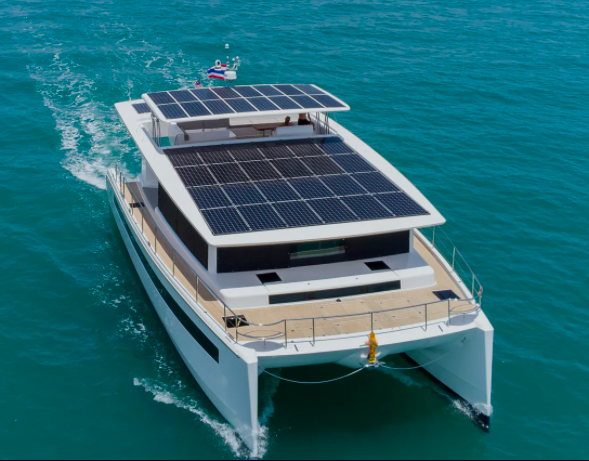
- Sustainable Yacht Charters: Yachting, another hallmark of luxury travel, is also becoming more sustainable. Eco-yachts that use renewable energy, like solar power and wind turbines, are now entering the market. These vessels are equipped with systems that reduce fuel consumption and waste. Many yacht charters now focus on eco-friendly cruising, exploring remote and unspoiled locations without leaving a negative environmental impact. Companies like Silent-Yachts are at the forefront, offering solar-powered vessels that provide a luxurious, yet sustainable, experience.
- Experiential Travel with a Purpose: Today’s high-end travelers are looking for more than just a fancy resort or a first-class ticket. They want experiences that are enriching and meaningful. Many luxury travelers are now opting for trips that offer opportunities to give back to local communities or support environmental conservation. This trend has led to the rise of “regenerative travel,” where travelers not only minimize their impact but leave the destination better than they found it. Examples include luxury safari lodges in Africa that invest in wildlife conservation or eco-tourism projects that preserve indigenous cultures.
- Sustainable Culinary Experiences: Food is an integral part of any luxury travel experience, and sustainable gastronomy is gaining momentum. Many high-end resorts and restaurants are adopting farm-to-table dining concepts, sourcing ingredients locally to reduce carbon footprints and support local farmers. Additionally, luxury brands are incorporating sustainable seafood, plant-based menus, and organic produce into their dining options, reflecting a commitment to both culinary excellence and environmental responsibility.

Leading the Way: Luxury Brands Taking Sustainability Seriously
Several luxury travel brands are setting an example by integrating sustainability into their core business models. Take Four Seasons, which has implemented sustainability initiatives across its global properties, including energy conservation, waste reduction, and sustainable sourcing. Similarly, The Ritz-Carlton has launched the “Community Footprints” program, which focuses on environmental responsibility, including marine conservation and sustainable water usage.
Another standout is Aman Resorts, known for its minimalist, eco-friendly architecture that blends seamlessly into its surroundings, from the jungles of Bali to the deserts of Utah. The brand prioritizes sustainability through low-impact design, supporting local artisans, and offering wellness programs that foster a deeper connection between guests and the environment.
The Future of Sustainable Luxury Travel
As the travel industry continues to recover post-pandemic, the trend toward sustainable luxury is expected to accelerate. Travelers are not only seeking solace in pristine natural environments but also demanding transparency from travel companies. They want to know how their trips are impacting the planet and what brands are doing to mitigate their carbon footprints.
Sustainable luxury travel is more than a niche market; it’s the future of the industry. The convergence of opulence and environmental responsibility offers a unique opportunity for brands to differentiate themselves while making a positive impact. For travelers, it means enjoying the best the world has to offer without compromising the planet’s future.
The cross-over between luxury and sustainability is a testament to how the travel industry can evolve, adapting to new realities while still providing unforgettable experiences. As luxury travelers increasingly seek ways to minimize their environmental impact, the travel industry’s embrace of sustainability signals a new era where indulgence and eco-consciousness go hand in hand.
In the world of luxury travel, sustainability is not just a buzzword—it’s becoming the ultimate status symbol.


Dr. Alexander Tabibi is an entrepreneur, investor, and advocate for sustainable innovation with a deep commitment to leveraging technology for environmental and social good. As a thought leader at the intersection of business and sustainability, Dr. Tabibi brings a strategic vision to Green.org, helping guide its mission to inspire global climate awareness and actionable change.
With a background in both medicine and business, Dr. Tabibi combines analytical rigor with entrepreneurial insight.