


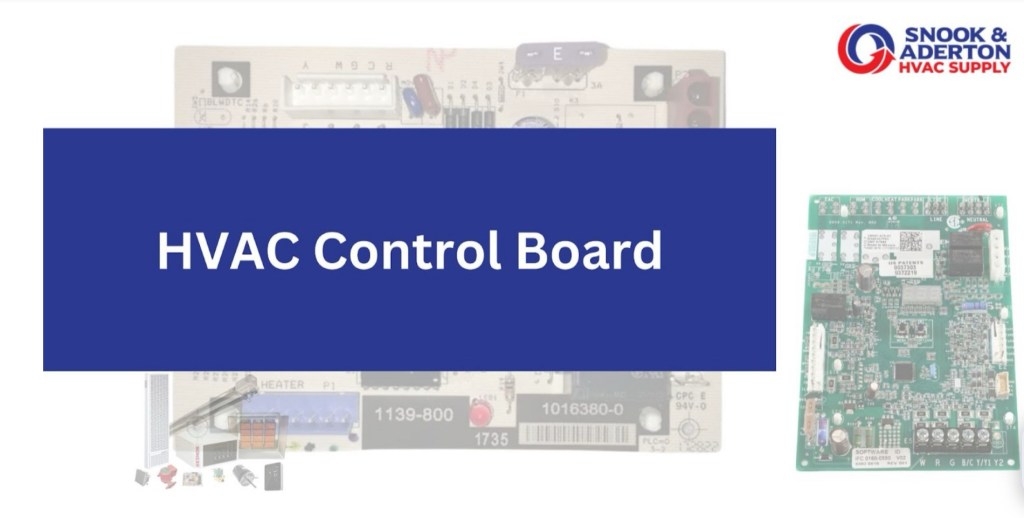
The HVAC control board is often described as the brain of your heating, ventilation, and air conditioning system. This critical component manages virtually every operation of your entire HVAC system, from essential functions like turning the system on and off to complex processes like regulating temperatures, managing airflow, and monitoring system safety.
Knowing about the control board is essential whether you’re troubleshooting a furnace issue, considering a repair, or simply wanting to understand how your home comfort system works.
As HVAC systems become increasingly sophisticated in 2025, control boards have evolved from simple circuit boards to complex electronic command centers with advanced diagnostic capabilities. These modern control boards not only operate your system but can also identify problems, improve energy efficiency, and communicate with smart home devices.
This article will explore the functions of an HVAC control board, everyday issues that can arise, how to choose a replacement, and maintenance tips to extend its lifespan.
Contents
Key Takeaways
- The HVAC control board functions as the central computer for your heating and cooling system
- Common signs of a failing control board include intermittent operation, blinking lights, and complete system failure
- Control board failures are often caused by power surges, moisture damage, or overheating
- When replacing a control board, compatibility with your specific HVAC model is crucial
- Regular maintenance can significantly extend the life of your HVAC control board
What Is An HVAC Control Board?
An HVAC control board is the primary circuit board that controls the operation of your heating and cooling system. This electronic component is a small computer that manages the functions of your furnace, air conditioner, heat pump, or complete HVAC system. It’s typically located inside the furnace cabinet or air handler unit, protected by an access panel.
The control board is the central hub where all the electrical connections from various components meet. It processes information from sensors, thermostats, and safety switches and sends appropriate commands to components such as the blower motor, ignition system, compressor, and gas valve.
Modern HVAC control boards typically consist of:
- A printed circuit board (PCB) with conductive pathways
- Microprocessors that function as the “brain” of the system
- Relays that control the flow of electricity to different components
- Capacitors that store electrical charge
- Transistors that amplify electrical signals
- Resistors that control electrical current
- LED indicators for diagnostic purposes
- Terminal connections for wiring various components
Different types of HVAC systems use specialized control boards. Furnace control boards focus primarily on heating functions, while air handler control boards manage heating and cooling operations.
Some advanced systems use integrated control boards to coordinate multiple components. If you’re shopping for HVAC control boards online, explore SnookHVAC for a wide selection and convenient delivery to your doorstep.
Key Functions Of An HVAC Control Board
- Controlling Heating And Cooling
The primary function of an HVAC control board is to manage the heating and cooling processes:
- Sequencing Operations: The control board ensures components activate in the correct order. For example, in a gas furnace, it verifies that the inducer motor is running before opening the gas valve.
- Temperature Regulation: The control board processes data from thermostats and temperature sensors to determine when to activate or deactivate heating and cooling functions to maintain the desired indoor temperature.
- Blower Motor Control manages the speed and timing of the blower fan, which circulates conditioned air throughout your home. Modern control boards can electronically adjust blower speeds for optimal comfort and efficiency.
- Ignition Control: In furnaces, the control board manages the ignition sequence, whether it’s a hot surface ignitor, intermittent pilot, or direct spark ignition system.
- Compressor Management: The control board regulates the compressor’s on-and-off times and monitors its operation for cooling systems.
- Defrost Cycles: The control board manages defrost cycles in heat pumps to prevent ice buildup on the outdoor coil during cold weather.
- Regulating System Diagnostics
Modern HVAC control boards include sophisticated diagnostic capabilities:
- Error Code Generation: When a problem is detected, the control board can generate specific error codes, often displayed through flashing LED lights on the board itself. These codes help technicians quickly identify issues.
- Safety Monitoring: The control board constantly checks safety parameters such as temperature limits, pressure levels, and airflow. The system will shut down if unsafe conditions are detected to prevent damage or hazardous operation.
- Performance Tracking: Advanced control boards can monitor system performance over time, tracking cycles, run times, and efficiency metrics.
- Communication Interface: Many newer control boards can communicate with external diagnostic tools, which technicians use to troubleshoot complex issues.
- Memory Functions: Some control boards store operational history and error logs, providing valuable information for diagnosis even after intermittent problems have been resolved.
- Ensuring Efficient Energy Use
Control boards play a crucial role in optimizing energy efficiency:
- Variable Speed Control: Advanced control boards can modulate the operation of variable-speed blowers and compressors to use only the energy needed for current conditions.
- Staging Management: For multi-stage heating and cooling systems, the control board determines when to run at a lower capacity (saving energy) and when full capacity is required.
- Temperature Anticipation: Smart control boards can learn your system’s heating and cooling characteristics to optimize cycles for efficiency.
- Integration with Smart Thermostats: Modern control boards communicate with programmable and smart thermostats to implement energy-saving schedules and respond to occupancy patterns.
- System Balancing: The control board ensures that different HVAC system components work together optimally, preventing energy waste from component mismatch.
A properly functioning control board ensures comfort, significantly reduces energy consumption, and extends the life of other HVAC components by precisely managing these functions.
Common Issues With HVAC Control Boards
- Signs Of A Malfunctioning Control Board
Recognizing the symptoms of a failing control board can help you address problems before they lead to complete system failure:
- Inconsistent Operation: The system turns on and off randomly without reaching the set temperature.
- Blower Problems: The blower fan runs continuously, doesn’t run, or fails to change speeds appropriately.
- No Response to Thermostat: When you adjust thermostat settings, the system doesn’t respond.
- Incomplete Cycles: The heating or cooling cycle starts but doesn’t complete correctly.
- LED Status Lights: Blinking or unusual patterns on the control board’s diagnostic LEDs indicate specific issues (refer to your system’s manual for the meaning of these patterns).
- Unusual Noises: Clicking sounds coming from the control board or furnace when the system should be operating.
- Repeated Component Failures: If you’ve replaced multiple parts, like capacitors or motor,s only to have them fail again, the control board may be the root cause.
If you notice any of these signs, it’s essential to have your system inspected by a qualified HVAC technician. Control board issues can sometimes be repaired but often require complete board replacement.
- Causes Of Control Board Failures
Understanding what causes control boards to fail can help you prevent premature damage:
- Power Surges: Lightning strikes and surges are among the most common causes of control board failure. Without proper surge protection, the sensitive electronic components can be instantly damaged.
- Water and Moisture Damage: Condensation, leaking pipes, or high humidity can cause corrosion of circuit board tracks and components.
- Overheating: Poor ventilation around the furnace or air handler can cause the control board to overheat, damaging sensitive components.
- Age and Wear: Control boards have a limited lifespan, like all electronic components. Components such as capacitors naturally degrade over time.
- Loose Connections: Vibration from the system’s operation can gradually loosen wire connections to the terminal blocks on the control board.
Regular professional maintenance and preventative measures, such as installing surge protectors, can significantly reduce these risks and extend the life of your HVAC control board.
Choosing The Right HVAC Control Board
Selecting the right HVAC control board is essential for maintaining your system’s efficiency and reliability. Browse high-quality options to ensure seamless performance for your HVAC unit.
Compatibility With Your System
When replacing an HVAC control board, compatibility is the most critical factor:
- Exact Model Matching: Replace the control board with the same model number whenever possible. Control boards are specifically designed for particular HVAC systems.
- Manufacturer Specifications: Always consult the manufacturer’s specifications for your furnace or air handler. Using an incompatible board can damage other components or create safety hazards.
- System Age Considerations: Original replacement parts may no longer be manufactured for older systems. In these cases, consulting with an HVAC professional about compatible alternatives is essential.
- Voltage and Amperage Ratings: To prevent electrical problems, ensure the replacement board has the same voltage and amperage ratings as the original.
- Terminal Configuration: The replacement board should have identical terminal connections to accommodate your system’s wiring without modification.
- Physical Dimensions: The new board must physically fit in the same space and mount properly within your furnace or air handler.
When in doubt, provide your HVAC technician with the model numbers of your HVAC unit and the original control board to ensure proper matching.
Features To Look For
Modern HVAC control boards offer various features that can improve system performance:
- Diagnostic Capabilities: Look for boards with comprehensive LED diagnostic indicators that simplify troubleshooting.
- Surge Protection: Built-in surge protection can help prevent damage from minor power fluctuations.
- Sealed Components: Boards with conformal coating or sealed components offer better protection against moisture and corrosion.
- Smart System Compatibility: If you use or plan to use a smart thermostat, ensure the control board fully supports these features.
- Variable-Speed Support: The control board must specifically support these functions for systems with variable-speed blowers or modulating gas valves.
- Software Upgradability: Some advanced control boards can receive firmware updates to improve performance or fix bugs.
- Extended Warranty: Control boards with longer warranties often indicate higher quality and manufacturer confidence.
While premium features may increase the initial cost, they often pay for themselves through improved system longevity, better diagnostic capabilities, and enhanced efficiency.
Maintenance Tips For HVAC Control Boards
Proper maintenance can significantly extend the life of your HVAC control board:
- Keep It Clean: During annual maintenance, have your technician gently clean the control board with compressed air to remove dust and debris that can cause overheating.
- Check Connections: Regularly inspect and tighten electrical connections to the control board. Loose connections can cause arcing and damage.
- Install Surge Protection: To shield the control board from power spikes, use whole-house surge protectors or HVAC-specific surge protection devices.
- Maintain Proper Ventilation: Ensure the area around your furnace or air handler has adequate airflow to prevent electronic components from overheating.
- Control Humidity: Consider using a dehumidifier near your HVAC equipment to prevent condensation on electronic components in humid environments.
- Inspect for Water Issues: Check for water leaks or condensation problems near your HVAC equipment that could damage the control board.
- Regular Professional Inspections: Have a qualified technician inspect the control board during annual maintenance visits.
- Address Minor Issues Promptly: If you notice any unusual operation, have it checked immediately before it leads to control board failure.
- Keep the Area Clean: Keep the area around your HVAC equipment clean to prevent dust buildup and potential pest problems.
- Maintain Stable Power: Consider a voltage regulator if your home experiences frequent power fluctuations.
Most importantly, always turn off all power to your HVAC system before attempting any maintenance near the control board. If you’re uncomfortable performing maintenance tasks, hire a professional HVAC technician.

Conclusion
The HVAC control board is the central nervous system of your heating and cooling equipment, coordinating complex operations to keep your home comfortable. Understanding its functions, recognizing signs of failure, and implementing proper maintenance can prevent unexpected breakdowns and costly emergency repairs.
Consulting with a qualified HVAC professional is the safest approach when issues arise. While replacing the control board might seem expensive initially, it’s often more cost-effective than replacing the entire system. With proper care, your HVAC control board can provide years of reliable service, ensuring your home stays comfortable throughout the seasons.
As HVAC technology advances, control boards will incorporate even more sophisticated features for improved diagnostics, energy efficiency, and integration with smart home systems. Whether you’re troubleshooting a problem, planning a replacement, or simply maintaining your system, attention to this critical component will help ensure the longevity and efficiency of your entire HVAC system.
Final Verdicts
- For Homeowners Experiencing Issues: If your HVAC system shows signs of control board problems, invest in a professional diagnosis before replacing parts. What appears to be a control board issue may be caused by more straightforward problems like wiring or sensor failures.
- For Regular Maintenance: Include control board inspection in your annual HVAC maintenance. The small maintenance cost can prevent the more considerable expense of complete board failure.
- For System Upgrades: When replacing a control board in an aging system, consider whether a complete system upgrade might be more cost-effective, especially if your HVAC equipment is over 15 years old.
- For DIY Enthusiasts: While some homeowners with electrical experience may feel comfortable replacing a control board, the complexity of modern HVAC systems and safety concerns make professional installation the recommended approach.
- For Long-term Planning: Budget for potential control board replacement after 8-10 years of system operation, mainly if you live in areas prone to power fluctuations or extreme weather conditions.


Dr. Alexander Tabibi is an entrepreneur, investor, and advocate for sustainable innovation with a deep commitment to leveraging technology for environmental and social good. As a thought leader at the intersection of business and sustainability, Dr. Tabibi brings a strategic vision to Green.org, helping guide its mission to inspire global climate awareness and actionable change.
With a background in both medicine and business, Dr. Tabibi combines analytical rigor with entrepreneurial insight.