


Contents
Introduction
Have you ever wondered what happens to all the trash generated by a massive global event like the Olympics? Well, the Paris Olympics are here to change the game and turn trash into treasure. This year, Paris is setting a new benchmark by introducing a zero-waste revolution that promises to reshape how we think about waste.
So, what’s the big idea behind zero-waste? Simply put, it’s all about aiming for as little waste as possible. Imagine reducing, reusing, and recycling so effectively that there’s practically no trash left to deal with. That’s the goal for the Paris Olympics. They’re not just focused on putting on a spectacular show; they’re also committed to making sure that their impact on the environment is minimal.
In a world where environmental concerns are growing more urgent, Paris is stepping up to the plate and showing how large-scale events can lead the way in sustainability. From the athletes’ villages to the spectator stands, every aspect of the Olympics is being carefully planned to keep waste to an absolute minimum. It’s not just about fancy recycling bins or eco-friendly materials; it’s a comprehensive approach that tackles waste from every angle.
As the world’s attention turns to Paris, this Olympics isn’t just about who takes home the gold. It’s also about how we can all learn to live more sustainably. By setting this new standard, Paris is proving that big events can be both exciting and eco-friendly. So, let’s dive into how the Paris Olympics are turning their commitment to zero-waste into a global trendsetter.
Understanding Zero-Waste Principles
So, what exactly is zero-waste, and why is it such a big deal? Let’s break it down in simple terms. Zero-waste is all about keeping as much waste out of landfills and incinerators as possible. It’s not just a buzzword—it’s a way of life that focuses on reducing, reusing, and recycling so effectively that we end up with virtually no waste at all.


What Zero-Waste Really Means
At its core, zero-waste means creating a system where waste doesn’t pile up. Imagine if instead of throwing stuff away, everything you used was either composted, recycled, or reused. Sounds great, right? That’s the goal! It’s about making sure that everything you consume has a purpose and doesn’t end up as garbage. It’s like giving your trash a second chance to be something useful.
Key Principles You Need to Know
Here’s a quick rundown of the zero-waste principles you’ll often hear about:
Refuse: This means saying no to things you don’t need, like single-use plastic straws or extra packaging. It’s about not bringing waste into your life in the first place.
Reduce: Cutting down on what you use helps lower the amount of waste you create. Whether it’s buying less or choosing products with minimal packaging, every little bit helps.
Reuse: Instead of tossing things out, find new ways to use them. Reusable bags, water bottles, and containers are great examples. It’s all about giving items a new lease on life.
Recycle: Make sure to sort and recycle what you can. It’s not the ultimate solution, but it’s still an important part of the process.
Rot: This is all about composting organic waste, like food scraps and yard waste. Composting turns these materials into nutrient-rich soil, which is way better than them ending up in a landfill.
How These Principles Apply to Big Events
Now, you might be wondering how this all fits into something as huge as the Olympics. Well, Paris is taking these principles and applying them on a massive scale. From the way they handle waste at venues to how they plan food services, every aspect of the event is designed with zero-waste in mind. It’s not just about throwing a great party; it’s about making sure that party leaves behind as little environmental impact as possible.
Paris Olympics’ Zero-Waste Strategies
When it comes to hosting an event as massive as the Olympics, managing waste can be a huge challenge. But the Paris Olympics are turning this challenge into an opportunity to showcase how zero-waste strategies can be done right. Let’s take a closer look at how they’re making it happen.
Innovative Waste Management Systems
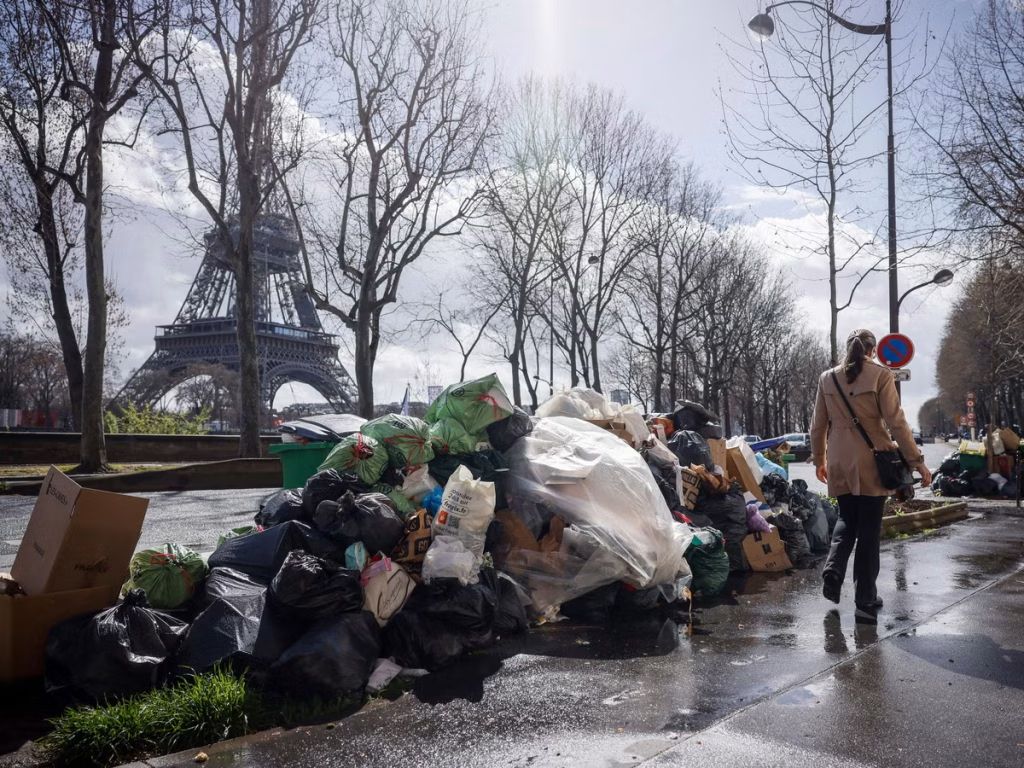
First off, Paris is rolling out some cutting-edge waste management systems to handle the massive amounts of trash that come with hosting the Games. Think advanced sorting technologies that can separate waste more efficiently than ever before. There’s also a focus on turning waste into energy, which means that even if something can’t be recycled, it can still be put to good use. It’s all about making sure that nothing goes to waste, literally!
Sustainable Materials and Design
The Paris Olympics aren’t just thinking about how to deal with waste—they’re also rethinking the materials used in building and infrastructure. They’re opting for sustainable materials that are either recycled or upcycled, meaning they’re giving new life to things that would otherwise be discarded. The design of the venues is also a big part of this. They’re incorporating eco-friendly features like energy-efficient lighting and green roofs. This isn’t just about looking good; it’s about making sure every part of the event is as sustainable as possible.
Waste Reduction in Food and Beverage
Food waste is a big issue at large events, but Paris is tackling it head-on. They’re focusing on sourcing food locally, which reduces the need for long-distance transportation and cuts down on emissions. They’re also using sustainable packaging to minimize waste and implementing food recovery programs to ensure that any leftover food goes to those in need rather than ending up in the trash. It’s all about making sure that what’s served at the Olympics has a positive impact, from farm to fork.
Zero-Waste Venues
Now, let’s talk about the venues themselves. Paris is designing and operating these spaces with zero-waste principles at the forefront. This means they’re setting up efficient waste separation systems so that recycling and composting are as easy as possible. Plus, they’re integrating energy-efficient technologies that help reduce the overall environmental footprint. Every detail is considered to make sure that these venues aren’t just hosting the Games—they’re setting a new standard for sustainability.
Bringing It All Together
By combining these strategies, Paris is turning waste management into a showcase of innovation and responsibility. It’s not just about making the Olympics greener; it’s about demonstrating that a zero-waste event is possible on a grand scale. And as the world watches, Paris is proving that sustainability can be at the heart of even the biggest celebrations.
Community and Stakeholder Engagement
When it comes to making a zero-waste Olympics a reality, it’s not just about high-tech waste systems and sustainable materials. Paris knows that getting everyone involved is crucial. From local communities to global brands, the Paris Olympics are working hard to make sure that everyone plays a part in this green revolution. Here’s how they’re rallying support and driving engagement.
Public Awareness Campaigns
One of the biggest challenges in going zero-waste is getting people on board. That’s why Paris is rolling out a series of public awareness campaigns to educate and inspire. They’re using everything from social media and local events to informative workshops and engaging content to spread the word. The goal is to make sustainability something everyone can get excited about and to show how easy it is to make a difference. Whether you’re a local resident or a visitor, these campaigns are designed to help you understand and embrace zero-waste practices.


Partnerships with Eco-Friendly Brands
Paris isn’t doing this alone. They’re teaming up with eco-friendly brands and businesses that share their commitment to sustainability. These partnerships are key to making sure that every aspect of the Olympics aligns with zero-waste goals. From vendors providing sustainable products to sponsors backing green initiatives, these collaborations help reinforce the message that being environmentally responsible is both achievable and essential. It’s a win-win situation that brings together innovation and environmental stewardship.
Involvement of Volunteers
Volunteers are the heart and soul of many big events, and the Paris Olympics are no different. But these volunteers aren’t just helping out with logistics; they’re also playing a crucial role in the zero-waste effort. Paris is providing training and resources to make sure that every volunteer understands the importance of sustainability and knows how to promote it. Whether they’re helping with waste management or spreading the zero-waste message to the public, these volunteers are on the front lines of making the Olympics greener.
Building a Culture of Sustainability
Engaging the community and stakeholders is about more than just getting through the event. Paris is working to build a lasting culture of sustainability that extends beyond the Olympics. By involving local businesses, schools, and organizations, they’re fostering a sense of collective responsibility and showing that zero-waste isn’t just for big events—it’s a lifestyle that can be integrated into everyday life.
Making a Difference Together
The success of the zero-waste initiative at the Paris Olympics hinges on the collective effort of everyone involved. From public campaigns to brand partnerships and volunteer involvement, every piece of the puzzle helps create a more sustainable event. It’s about working together to set a new standard for how we host and enjoy large-scale events, proving that when we all pitch in, we can make a big impact.
Challenges and Solutions
Even with the best intentions, implementing a zero-waste strategy for something as enormous as the Olympics isn’t a walk in the park. Paris is facing some pretty big hurdles along the way, but they’re tackling these challenges head-on with smart solutions. Let’s break down some of the major obstacles and how Paris is working to overcome them.
Logistical Challenges
Managing waste for an event as massive as the Olympics involves a lot of moving parts. One of the biggest challenges is figuring out how to handle the sheer volume of waste generated. Imagine thousands of people eating, drinking, and cheering all day long—there’s bound to be a lot of trash. Paris is addressing this by setting up advanced sorting systems and waste management technologies that make it easier to keep track of and process all that waste. They’re also working closely with waste management experts to ensure everything runs smoothly.
Cost Considerations
Let’s face it—going zero-waste can be expensive. Implementing sustainable practices and technologies often comes with a hefty price tag. But Paris is showing that the investment is worth it. They’re looking at the long-term benefits, like reducing waste disposal costs and promoting a positive image of the Games. By carefully budgeting and seeking sponsorships from eco-friendly companies, Paris is finding ways to manage these costs while staying committed to their zero-waste goals.


Scaling the Zero-Waste Model
One of the biggest questions is how to apply the lessons learned from the Paris Olympics to other events and cities. It’s one thing to implement zero-waste practices on a large scale, but how do you make it work on a smaller scale or in different contexts? Paris is documenting their strategies and sharing their successes and challenges with other organizers. By creating a blueprint for zero-waste events, they’re helping pave the way for others to follow suit.
Public Perception and Behavior
Changing public behavior is another major challenge. It’s one thing to set up systems for recycling and composting, but getting people to actually use them can be tricky. Paris is tackling this by running educational campaigns and making waste separation as easy as possible. Clear signage, accessible bins, and informative guides are all part of the plan to help people understand and embrace zero-waste practices.
Innovation and Adaptation
Lastly, innovation plays a huge role in overcoming these challenges. Paris is constantly looking for new ways to improve their zero-waste efforts. From testing new recycling technologies to experimenting with different sustainable materials, they’re not afraid to adapt and innovate. This flexibility is key to finding effective solutions and staying on top of the latest advancements in waste management.
Working Through the Tough Spots
While these challenges are significant, Paris is proving that they’re not insurmountable. By tackling logistical issues, managing costs, and promoting innovation, they’re making great strides toward a zero-waste Olympics. And their efforts show that with determination and creativity, even the toughest challenges can be overcome.
Impact and Future Outlook
So, what’s the big deal about the Paris Olympics going zero-waste, and why should we care? The impact of these initiatives is far-reaching, and the future outlook is pretty exciting. Let’s explore how the Paris Olympics are making a difference now and what this means for the future.
Environmental Impact
First off, let’s talk about the environment. By committing to zero-waste, the Paris Olympics are setting a new standard for how large events can reduce their environmental footprint. This isn’t just about managing waste; it’s about making a real difference. The expected benefits include less waste going to landfills and a lower carbon footprint thanks to sustainable practices. For instance, using eco-friendly materials and reducing food waste helps cut down on pollution and conserves resources. It’s a big step toward a healthier planet, showing that even the biggest events can go green.
Legacy of the Paris Olympics
The Paris Olympics are more than just a one-time event; they’re creating a legacy. By pioneering zero-waste practices, Paris is setting a new benchmark for future global events. This legacy is about more than just the Olympics; it’s about inspiring other cities and organizations to adopt similar practices. The hope is that the success of these zero-waste initiatives will encourage more events to follow suit, leading to a ripple effect of positive environmental change around the world.
Influence on the Event Industry
Paris’s zero-waste success is likely to have a huge influence on the event industry as a whole. As more organizers see the benefits of implementing sustainable practices—both in terms of cost savings and environmental impact—they might be more inclined to adopt similar strategies. This could lead to a shift in how events are planned and executed, with a greater focus on sustainability. Paris is essentially setting the stage for a new norm in event management.
A Vision for the Future
Looking ahead, the vision is clear: sustainability should be at the heart of every major event. The Paris Olympics are showing us what’s possible when you prioritize zero-waste and environmental responsibility. The hope is that this vision will extend beyond the Olympics, influencing everyday practices and policies. Whether it’s through innovations in waste management or changes in consumer behavior, the goal is to create a future where sustainability is the standard, not the exception.
Conclusion
As the Paris Olympics wrap up, it’s clear that this isn’t just another sporting event—it’s a milestone in the journey toward a more sustainable future. By embracing a zero-waste approach, Paris is proving that big events can be both spectacular and environmentally friendly. Here’s a quick recap of what makes this achievement so special and what it means for the future.


Dr. Alexander Tabibi is an entrepreneur, investor, and advocate for sustainable innovation with a deep commitment to leveraging technology for environmental and social good. As a thought leader at the intersection of business and sustainability, Dr. Tabibi brings a strategic vision to Green.org, helping guide its mission to inspire global climate awareness and actionable change.
With a background in both medicine and business, Dr. Tabibi combines analytical rigor with entrepreneurial insight.