


Contents
Introduction
When the world’s spotlight turns to the Olympics, it’s not just about the athletes, thrilling competitions, and iconic ceremonies. There’s another side to the Games that often gets overshadowed: the environmental impact. From massive construction projects to soaring waste and energy use, past Olympic Games have left quite a mark on our planet.
Beijing 2008 grappled with severe air pollution, causing major health concerns. London 2012 faced a daunting waste management challenge, with heaps of trash and less-than-ideal recycling efforts. Sochi 2014 saw environmental damage from rushed construction, while Rio 2016 struggled with polluted water bodies and habitat destruction. Each of these Games provided valuable lessons, but not without leaving a trail of environmental issues.
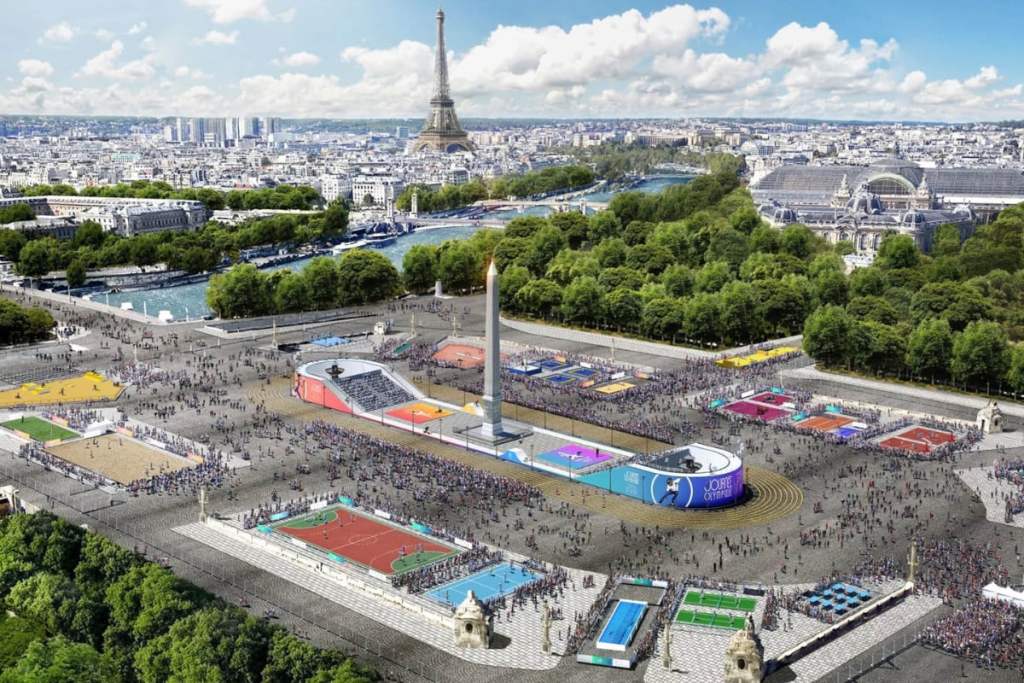
Now, Paris is gearing up to host the 2024 Olympics, promising a fresh approach to sustainability. The French capital aims to turn the tide with innovative green practices and cutting-edge technologies. Can Paris truly set a new benchmark for eco-friendly Olympics, or will it repeat the mistakes of its predecessors? In this guide, we’ll dive into the environmental blunders of past Games and explore how Paris plans to do better, making sure these Olympics are as kind to the Earth as they are thrilling to watch.
The Green Fiascos: A Look Back
When we look back at previous Olympics, it’s clear that each Games left its own environmental footprint, often far from green. Let’s break down some of the biggest green fiascos and see what went wrong.

Beijing 2008: The Air Quality Crisis
Beijing’s 2008 Olympics were marred by notoriously poor air quality. The city faced smog so thick it was hard to see across the street, let alone enjoy a sporting event. The authorities scrambled to clean up the air, imposing traffic restrictions and shutting down polluting factories, but these measures only provided temporary relief. Despite these efforts, the air quality remained a concern throughout the Games, raising alarms about public health and environmental degradation. The long-term effects on the city’s air quality and residents’ health were a harsh reminder of the environmental cost of hosting such a massive event.
London 2012: The Waste Management Struggle
London 2012 aimed for sustainability but faced a huge challenge with waste management. The Games generated an overwhelming amount of trash, and while there were ambitious recycling goals, the reality fell short. London tried to address this with recycling programs and waste reduction initiatives, but the sheer volume of waste proved difficult to manage effectively. The efforts were a step in the right direction but highlighted the need for more robust waste management strategies to handle large-scale events.
Sochi 2014: Environmental Degradation
Sochi 2014’s preparations were marked by significant environmental concerns. The rush to build venues and infrastructure led to considerable damage to local ecosystems. Construction activities disrupted natural habitats, affecting wildlife and altering landscapes. Despite some attempts to mitigate the damage, the environmental cost of the rapid development was evident. Sochi’s experience serves as a stark example of how large-scale construction projects can negatively impact the environment, often with lasting consequences.
Rio 2016: Water Pollution and Habitat Destruction
Rio de Janeiro 2016 faced serious issues with water pollution and habitat destruction. The Olympic Games were held in and around water bodies that were heavily polluted, affecting both marine life and local communities. The authorities promised to clean up the waterways, but the progress was insufficient. The Games’ impact on water quality and natural habitats underscored the need for more effective environmental safeguards and better planning to prevent such problems in future events.


Each of these examples reveals a pattern of environmental oversights and challenges faced by previous Olympic hosts. They remind us of the crucial need for improved sustainability practices to ensure that future Games leave a positive legacy for both people and the planet.
Paris 2024: The Promise of a Greener Olympics
As Paris gears up to host the 2024 Olympics, the city is making bold promises to tackle the environmental issues that have plagued previous Games. With a focus on sustainability, Paris is aiming to set a new standard for eco-friendly events. Let’s dive into how Paris plans to turn the tide and make the 2024 Olympics a green success.
Sustainable Venues and Infrastructure
Paris is putting a big emphasis on using sustainable materials and energy-efficient designs for its Olympic venues. The city is committed to building new facilities with minimal environmental impact, including using recycled materials and ensuring that structures meet green building certifications. By focusing on eco-friendly construction practices, Paris hopes to reduce the carbon footprint associated with the Games. This approach not only promises to leave a smaller environmental mark but also sets a new benchmark for future Olympic hosts.
Innovative Waste Management Strategies
One of Paris’s major goals is to achieve zero waste during the Games. The city is planning to implement cutting-edge recycling technologies and waste reduction methods to manage the large volumes of trash that come with hosting such a massive event. Paris aims to minimize waste generation and maximize recycling efforts, learning from the waste management struggles of past Olympics. By adopting these innovative strategies, the city hopes to make a significant impact on waste management and demonstrate a new model for other events to follow.
Eco-Friendly Transportation Solutions
Transportation is another area where Paris is making strides towards sustainability. The city plans to reduce emissions by promoting the use of electric vehicles and enhancing public transit options. Paris is also focusing on expanding bike-sharing programs and pedestrian-friendly infrastructure to encourage environmentally friendly transportation choices. These efforts are designed to address the transportation issues faced by previous Olympic Games, aiming to create a cleaner and more efficient transportation network during the event.
Water Conservation Efforts
Paris is also prioritizing water conservation with a range of innovative technologies and practices. The city plans to implement advanced water-saving measures to reduce overall water usage and improve water quality. This includes using smart irrigation systems, rainwater harvesting, and water-efficient fixtures. By focusing on these initiatives, Paris aims to address the water pollution problems experienced in past Games and ensure that the Olympic events are conducted with minimal impact on local water resources.
Paris’s ambitious plans for the 2024 Olympics highlight a strong commitment to environmental sustainability. By tackling the issues that have troubled previous hosts and introducing new green practices, Paris hopes to set a new standard for the Olympics and showcase how large-scale events can be both spectacular and eco-friendly.
Will Paris Set a New Standard?
As the 2024 Paris Olympics approach, there’s a lot of buzz about whether the city can really deliver on its promises of a greener, more sustainable Games. With past Olympic hosts facing various environmental issues, it’s worth asking: Can Paris truly set a new standard, or will it fall short like its predecessors?
Assessing the Feasibility of Paris’s Green Goals
Paris has laid out ambitious green goals for the Olympics, from zero-waste targets to innovative infrastructure. But how feasible are these plans? Examining the city’s proposed strategies and comparing them with past Olympic efforts will give us a clearer picture. While Paris’s plans are promising, achieving these goals will require meticulous planning, coordination, and execution. There are challenges, such as managing the sheer scale of the event and ensuring that all stakeholders adhere to sustainability practices. Success will depend on how well Paris can navigate these hurdles and turn its green vision into reality.
The Role of Public and Global Support
Public engagement and international support play a crucial role in the success of any major event. For Paris to meet its environmental goals, it will need the backing of both local residents and the global community. Public awareness campaigns, community involvement, and global attention can drive efforts towards sustainability and hold organizers accountable. Successful past events have shown that when people are invested in making a difference, the impact can be significant. Paris’s ability to rally support and foster a culture of environmental responsibility will be key to setting a new standard for the Olympics.
As Paris prepares to host the 2024 Games, all eyes are on the city to see if it can rise to the challenge. By learning from past mistakes and implementing innovative solutions, Paris has the opportunity to demonstrate how large-scale events can be held in an environmentally responsible manner. Whether or not the city will truly set a new benchmark for future Olympics remains to be seen, but its commitment to sustainability is a step in the right direction.


Conclusion
Looking back at the environmental impact of past Olympics reveals a pattern of challenges and shortcomings, from pollution and waste to habitat destruction. Each host city faced unique problems, but common themes emerged, highlighting the need for more effective and sustainable practices.
Beijing 2008 struggled with air quality issues that left a lingering impact on public health. London 2012 dealt with overwhelming waste management challenges, struggling to meet recycling goals. Sochi 2014’s rapid construction led to significant environmental damage, while Rio 2016 faced serious water pollution and habitat destruction.
With Paris now in the spotlight as the next Olympic host, there’s a renewed sense of hope and expectation. The city is promising to address these past mistakes with a strong focus on sustainability. From building eco-friendly venues and implementing zero-waste strategies to enhancing transportation and conserving water, Paris is setting ambitious goals aimed at minimizing its environmental footprint.
The real test will be whether Paris can turn its green vision into reality. The city’s success will depend on its ability to effectively execute its plans and overcome the challenges that come with hosting such a large-scale event. Public support and global attention will be crucial in driving these efforts and ensuring accountability.
As the world watches, Paris has the chance to lead by example and set a new standard for future Olympic Games. By learning from past environmental blunders and embracing innovative solutions, Paris aims to prove that it’s possible to host a spectacular event while also being kind to the planet. The commitment to sustainability is a positive step forward, and with continued vigilance and support, the 2024 Olympics could mark a turning point for greener, more responsible global events.


Dr. Alexander Tabibi is an entrepreneur, investor, and advocate for sustainable innovation with a deep commitment to leveraging technology for environmental and social good. As a thought leader at the intersection of business and sustainability, Dr. Tabibi brings a strategic vision to Green.org, helping guide its mission to inspire global climate awareness and actionable change.
With a background in both medicine and business, Dr. Tabibi combines analytical rigor with entrepreneurial insight.