


Contents
Introduction
Recycling oil is more important than you might think. Whether it’s the motor oil from your car or the cooking oil from your kitchen, recycling helps protect our environment and can even save you some money. But where do you go to recycle oil? Don’t worry, we’ve got you covered.
First, let’s talk about why recycling oil matters. Used oil can be harmful to the environment if it’s just thrown away. It can pollute water, harm wildlife, and even contaminate the soil. By recycling, we can prevent this pollution and reuse valuable resources. Plus, in many places, it’s actually illegal to just dump used oil, so recycling helps you stay on the right side of the law.
Now, let’s get into the nitty-gritty: the types of oil you can recycle. We’re talking about motor oil, cooking oil, and even industrial oil. Motor oil comes from vehicles and machinery. Cooking oil comes from your kitchen after frying or baking. Industrial oil is used in factories and heavy equipment. All these oils can be recycled, but they need to be handled properly.
Preparing your oil for recycling is easier than you might think. Start by collecting your used oil in a clean, leak-proof container. Don’t mix it with other substances like water or chemicals. Once you’ve got a good amount, it’s time to find a place to recycle it.
There are plenty of options for recycling oil. Local recycling centers are a great place to start. Many automotive shops and service stations will take your used motor oil. Household hazardous waste programs often accept cooking and motor oil. Some retailers even have drop-off points for used oil. And don’t forget about special collection events in your community where you can safely dispose of your oil.
Recycling oil isn’t just about doing the right thing for the environment. It’s also about making sure you’re following the law and taking advantage of any economic benefits. Some places offer financial incentives for recycling oil, so it can even save you some money in the long run.
So, the next time you change your car’s oil or finish frying up some delicious food, remember to recycle that used oil. It’s a small step that makes a big difference. And with so many easy options for recycling, there’s no reason not to do it. Let’s keep our planet clean and green by recycling oil the right way!
Why Recycle Oil?
Recycling oil isn’t just a good idea; it’s a crucial part of protecting our planet and even saving some cash. Here’s why recycling your used oil is so important and how it benefits everyone.
First off, let’s talk about the environmental benefits. When you recycle oil, you help reduce pollution. Used oil can be pretty nasty if it gets into our water, soil, or air. It can harm wildlife, contaminate drinking water, and make the land less fertile. By recycling, we keep these pollutants out of the environment and help conserve natural resources. Recycling oil means it can be cleaned and reused, which saves the energy and resources that would go into producing new oil.

Next up are the legal requirements. In many places, there are strict laws about how you can dispose of used oil. You can’t just pour it down the drain or throw it in the trash. Doing so can result in hefty fines and legal trouble. Recycling helps you stay compliant with these regulations and avoid any legal headaches.
But it’s not all about rules and regulations; there are economic advantages too. When you recycle oil, you can save money. Some places offer financial incentives or rebates for recycling used oil. Additionally, reusing recycled oil reduces the need for new oil, which can help lower costs for businesses and consumers alike. Plus, many service stations and auto shops will recycle your motor oil for free when you get an oil change, making it easy and cost-effective.
So, let’s break it down: Recycling oil is good for the environment, keeps you on the right side of the law, and can even save you some money. It’s a win-win situation all around. By recycling your used motor oil, cooking oil, or industrial oil, you’re making a positive impact that benefits everyone. It’s a simple step with huge rewards, and it’s something we can all do to help keep our planet clean and healthy.
Types of Oil That Can Be Recycled
Not all oil is the same, but the good news is that most types can be recycled. Let’s break down the different kinds of oil you can recycle and how to handle each one.


Motor Oil
Motor oil is probably the most common type of oil people think about recycling. This oil comes from your car, motorcycle, lawnmower, or any other machinery with an engine. When you change your vehicle’s oil, the old oil can be recycled. Used motor oil is still valuable because it can be cleaned, refined, and used again. Just make sure you collect it in a clean, leak-proof container, and don’t mix it with any other fluids.
Cooking Oil
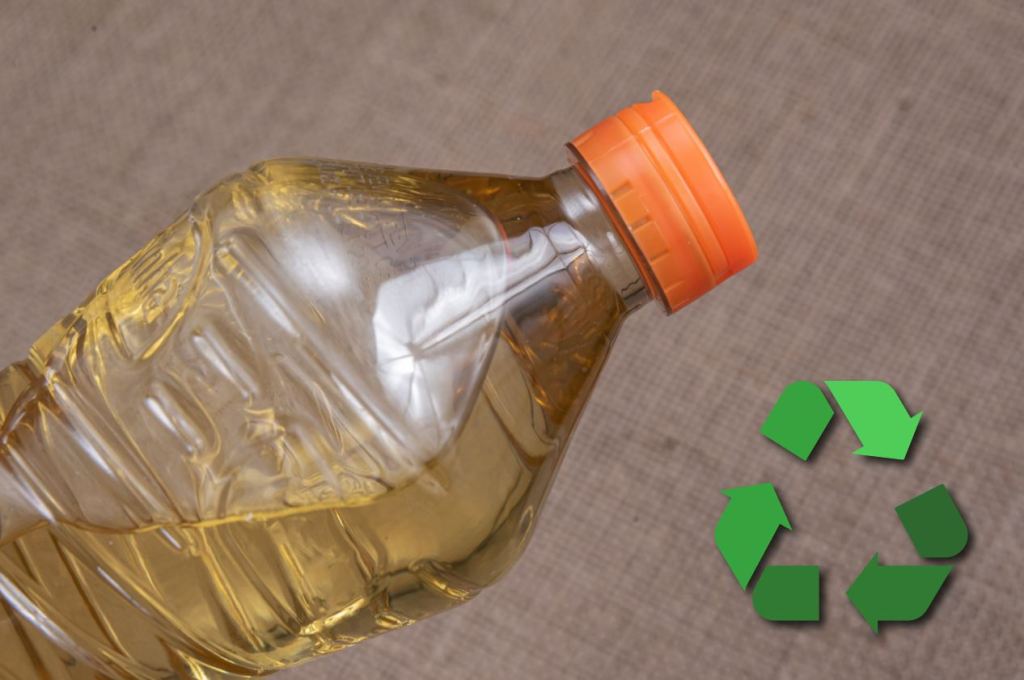
Cooking oil is another type that’s easy to recycle. Whether it’s from deep frying, sautéing, or baking, used cooking oil can be repurposed. In fact, recycled cooking oil is often turned into biodiesel, a cleaner alternative to traditional diesel fuel. To recycle cooking oil, let it cool after use, then pour it into a sealable container. Many recycling centers and some restaurants will take your used cooking oil.
Industrial Oil
Industrial oil is used in factories, heavy machinery, and various industrial processes. This includes hydraulic oil, gear oil, and lubricants used in manufacturing. Recycling industrial oil is crucial because these oils can contain contaminants that are harmful to the environment. Businesses often have specific protocols for collecting and recycling industrial oil, ensuring it’s handled safely and effectively.
Each type of oil requires a bit of attention to ensure it’s ready for recycling, but the effort is minimal compared to the benefits. By recycling motor oil, cooking oil, and industrial oil, you help reduce pollution, conserve resources, and contribute to a healthier environment. Plus, recycling oil is often free or comes with incentives, making it a smart and easy choice. So, next time you’re about to toss that used oil, remember that it can be recycled and put to good use again.
How to Prepare Oil for Recycling
Getting your used oil ready for recycling is a simple process, but it’s important to do it right. Proper preparation ensures that the oil can be effectively recycled and helps prevent any potential mess or contamination. Here’s how you can prepare your used oil for recycling.


Collecting Used Oil
The first step is to collect your used oil in a clean, leak-proof container. If you’re dealing with motor oil, this means using a container designed for oil collection, which you can find at auto parts stores or service stations. For cooking oil, you can use any sealable container, like an old plastic jug or a glass jar. The key is to make sure the container is clean and has a tight lid to prevent spills.
Filtering and Cleaning
Before taking your oil to be recycled, it’s a good idea to filter it. This means removing any large particles or debris that might be in the oil. For motor oil, this could be metal shavings or dirt. For cooking oil, it might be bits of food. You can use a fine mesh strainer or cheesecloth to filter out these impurities. This step helps ensure the oil is as clean as possible, making it easier to recycle.
Labeling and Documentation
Accurate labeling and record-keeping are crucial, especially for businesses dealing with large quantities of used oil. Make sure to label your containers clearly, indicating the type of oil and the date it was collected. This is less critical for small amounts of household oil, but it’s still a good habit to get into. For industrial and commercial oil recycling, proper documentation helps track the oil’s lifecycle and ensures compliance with environmental regulations.
By following these simple steps—collecting in the right container, filtering out impurities, and labeling properly—you’ll make the recycling process smoother and more efficient. It’s a small effort that goes a long way in protecting the environment and supporting the recycling industry. So next time you change your oil or finish frying up some food, remember these tips to prepare your oil for recycling. It’s an easy way to make a big difference.
Where to Recycle Oil
Finding a place to recycle your used oil is easier than you might think. There are several convenient options available, whether you’re dealing with motor oil, cooking oil, or industrial oil. Here’s a look at where you can take your oil for recycling.
Local Recycling Centers
Local recycling centers are one of the best places to start. These centers are specifically set up to handle a variety of recyclable materials, including used oil. They have the equipment and expertise to process the oil safely and effectively. You can find your nearest recycling center by checking online directories or contacting your local waste management authority. Just make sure to call ahead to confirm they accept the type of oil you have and check their hours of operation.
Automotive Shops
Many automotive shops and service stations offer oil recycling services. When you get your car’s oil changed at these places, they usually take care of the recycling for you. Some shops even allow you to drop off your used motor oil if you prefer to do your own oil changes at home. This is a convenient option because these businesses already handle large quantities of motor oil and are set up to recycle it properly.
Household Hazardous Waste (HHW) Programs
Household hazardous waste programs are another great resource. These programs are run by local governments and are designed to handle materials that can’t be thrown out with regular trash, including used oil. HHW facilities accept motor oil, cooking oil, and other hazardous household materials. They often have special collection events where you can drop off your used oil and other hazardous waste safely and conveniently.
Retailers and Service Stations
Some retailers, such as large home improvement stores or automotive parts stores, offer oil recycling services. They provide designated drop-off points for used oil, making it easy for you to dispose of it while you’re out running errands. This option is especially convenient if you have a busy schedule and need a quick, easy way to recycle your oil.
Special Collection Events
Many communities hold special collection events for hazardous waste, including used oil. These events are usually well-publicized and provide a convenient way to get rid of your used oil responsibly. Check with your local government or waste management authority to find out when and where these events are held.
With all these options available, recycling your used oil is simple and convenient. Whether you choose a local recycling center, an automotive shop, a household hazardous waste program, a retailer, or a special collection event, you’ll be doing your part to protect the environment and support the recycling industry. So next time you have used oil to dispose of, remember these options and recycle it the right way.
Steps for Recycling Oil at a Local Center
Recycling your used oil at a local center is straightforward and helps ensure it gets handled properly. Here’s a step-by-step guide to recycling your oil at a local recycling center:


Locate the Nearest Facility
Start by finding the nearest recycling center that accepts used oil. You can use online resources like Earth911 or local directories provided by your city or county waste management authority. Make sure the facility accepts the type of oil you have, whether it’s motor oil, cooking oil, or industrial oil.
Contact the Facility
Before you go, give the recycling center a call to confirm their hours of operation and any specific requirements they may have for dropping off used oil. Some facilities may ask you to separate different types of oil or to bring your oil in specific containers. Clarifying these details beforehand can save you time and ensure a smooth recycling process.
Transporting the Oil
When transporting your used oil to the recycling center, use a sturdy, leak-proof container with a secure lid. This prevents spills and protects your vehicle from oil stains. If you’re transporting a large quantity of oil, consider using a vehicle with a dedicated space for oil transport, like a pickup truck or SUV with a covered cargo area.
Drop Off the Oil
Once you arrive at the recycling center, follow any instructions provided by staff or signage. Depending on the facility, you may need to unload the oil yourself or leave it in a designated drop-off area. Some centers may require you to sign a log or provide basic information about the oil you’re recycling.
Alternative Recycling Options
If you can’t make it to a local recycling center, there are still alternative options available for recycling your used oil. Here are some convenient alternatives to consider:
Curbside Collection Programs
Some areas offer curbside collection programs for used oil. Check with your local waste management authority or recycling provider to see if this service is available in your community. Curbside collection makes recycling convenient—you simply set out your used oil alongside your regular recycling or trash for pickup on designated collection days.
Mail-In Recycling Programs
Mail-in recycling programs provide another convenient option, especially for those in rural or remote areas. Companies and organizations offer kits that allow you to mail your used oil to a recycling facility. These kits typically include containers, postage-paid labels, and instructions for packaging and mailing your oil safely.
Partnership with Local Businesses
Some local businesses, such as auto repair shops, restaurants, or hardware stores, may partner with recycling programs to accept used oil from customers. These businesses may have designated drop-off points or scheduled collection times for used oil. Check with businesses in your area to see if they participate in such programs.
Additional Tips
- Follow Guidelines: Whether you’re using curbside collection, a mail-in program, or partnering with a local business, always follow the specific guidelines provided for packaging and preparing your used oil for recycling.
- Stay Informed: Keep up-to-date on alternative recycling options in your area by checking local resources or contacting your waste management authority.
- Encourage Participation: Spread the word about alternative recycling options to friends, family, and neighbors to increase awareness and participation in recycling efforts.
By exploring these alternative options, you can find a recycling method that fits your needs and helps you responsibly dispose of your used oil. Whether you choose curbside collection, a mail-in program, or partnership with local businesses, each option contributes to environmental conservation and supports sustainable practices.
Tips for Responsible Oil Recycling
Responsible oil recycling is important to protect the environment and ensure the effectiveness of the recycling process. Here are some tips to help you recycle oil responsibly:
Avoid Contaminating Oil
Keep your used oil free from contaminants like water, solvents, or other chemicals. Contaminated oil can be difficult or even impossible to recycle properly. Store used oil in a clean, dedicated container and avoid mixing different types of oil together.
Use Approved Containers
Use containers specifically designed for oil collection and storage. These containers should be leak-proof and have secure lids to prevent spills during transport. Avoid using containers that previously held other substances, as they may contaminate the oil.
Follow Local Regulations
Be aware of and follow local regulations regarding the disposal and recycling of used oil. Some areas have specific requirements for how used oil should be stored, transported, and recycled. Check with your local waste management authority or recycling center for guidance.
Educate Others
Spread awareness about the importance of oil recycling among your family, friends, and community. Encourage others to participate in recycling efforts and provide information on how they can properly dispose of their used oil. The more people who recycle responsibly, the greater the positive impact on the environment.
Take Advantage of Incentives
Check for any incentives or rewards offered for recycling used oil in your area. Some recycling centers or programs may provide discounts, rebates, or other incentives for recycling oil. Taking advantage of these incentives can make recycling more rewarding and encourage continued participation.
By following these tips, you can contribute to effective oil recycling practices and help protect the environment from the harmful effects of improper oil disposal. Responsible oil recycling not only conserves resources but also promotes sustainability for future generations.
Frequently Asked Questions (FAQs)
Got questions about recycling oil? Here are some common questions and answers to help you understand the process better:
What Types of Oil Can Be Recycled?
You can recycle various types of oil, including motor oil from vehicles and machinery, cooking oil from kitchens, and industrial oil used in manufacturing processes. Each type of oil requires proper handling and recycling methods to ensure it’s processed correctly.
Can Cooking Oil Be Recycled Like Motor Oil?
Yes, cooking oil can be recycled, but the process is different from recycling motor oil. Used cooking oil can often be repurposed into biodiesel, a renewable fuel source. Many recycling centers and restaurants accept used cooking oil for recycling purposes.
What Happens to Recycled Oil?
Recycled oil undergoes several processes depending on its type. Motor oil is typically cleaned, refined, and reused as base oil or lubricants. Cooking oil can be converted into biodiesel or used in other industrial applications. Industrial oil may undergo specialized recycling processes to remove contaminants and extend its usability.
How Can I Find a Recycling Center for Oil?
To find a recycling center for oil, check online resources like Earth911 or local directories provided by your city or county waste management authority. Automotive shops, household hazardous waste programs, and retailers may also accept used oil for recycling. Call ahead to confirm they accept the type of oil you have and any specific requirements.
Why Should I Recycle Oil Instead of Disposing of It?
Recycling oil helps protect the environment by preventing pollution of water, soil, and air. It conserves natural resources by reusing valuable materials and reduces the energy needed to produce new oil. Recycling oil also helps comply with local regulations and may offer financial incentives or rewards for participation.
These FAQs provide basic information to help you understand the importance and process of recycling oil. If you have specific questions or concerns, reach out to your local recycling center or waste management authority for personalized guidance.
Conclusion
Recycling oil is not just a task; it’s a responsibility that benefits everyone. By recycling your used oil—whether it’s from your car, kitchen, or workplace—you’re making a positive impact on the environment and contributing to sustainable practices.
Throughout this guide, we’ve covered why recycling oil matters: it helps reduce pollution, conserves resources, and ensures compliance with environmental regulations. Recycling oil also offers economic benefits, such as potential savings and incentives for participation.
We’ve explored where to recycle oil, from local recycling centers and automotive shops to household hazardous waste programs and special collection events. These options make it easy and convenient to dispose of your used oil responsibly.
You’ve learned how to prepare oil for recycling, including collecting it in approved containers, filtering out impurities, and following local regulations. Proper preparation ensures that your used oil can be recycled effectively and safely.
Additionally, we’ve discussed alternative recycling options like curbside collection programs, mail-in recycling programs, and partnerships with local businesses. These alternatives provide flexibility and convenience, making it easier for everyone to participate in oil recycling efforts.
By following tips for responsible oil recycling—such as avoiding contamination, using approved containers, and spreading awareness—you can contribute to a cleaner, healthier environment.
Finally, we’ve answered common questions about recycling oil, clarifying what types of oil can be recycled, how to find recycling centers, and the benefits of recycling over disposal.
Together, these insights empower you to take action and make a difference. Whether you’re a homeowner, business owner, or simply someone who cares about the planet, recycling oil is a simple yet impactful way to protect our environment and support sustainability.
So, the next time you have used oil to dispose of, remember the options and tips shared here. Let’s continue working together to ensure a cleaner, greener future for generations to come.


Dr. Alexander Tabibi is an entrepreneur, investor, and advocate for sustainable innovation with a deep commitment to leveraging technology for environmental and social good. As a thought leader at the intersection of business and sustainability, Dr. Tabibi brings a strategic vision to Green.org, helping guide its mission to inspire global climate awareness and actionable change.
With a background in both medicine and business, Dr. Tabibi combines analytical rigor with entrepreneurial insight.