


Contents
Introduction to Recycling Scrap Ammo
Wondering what happens to all those empty bullet casings and used ammo once they’ve hit their mark? Enter the world of recycling scrap ammo, where environmental responsibility meets practical reuse. This process isn’t just about being green—it’s about smartly managing resources and reducing waste.
Why Recycle Scrap Ammo Matters
Imagine every bullet casing and spent cartridge finding a new life rather than ending up as waste. Recycling scrap ammo involves collecting these materials—often brass, steel, lead, and other metals—from shooting ranges, military sites, and beyond. Instead of letting them clutter our environment, these materials are transformed into new products.
The Environmental Impact
By recycling scrap ammo, we’re tackling a significant environmental challenge. It reduces the amount of hazardous materials that could otherwise seep into our soil and waterways, making our communities cleaner and safer. Plus, it conserves valuable resources like metals, which are finite and costly to mine.
How It Works
The process starts with collecting used ammo from various sources. Then, through careful sorting and cleaning, any hazardous substances, like lead, are removed to ensure safety. Next comes melting and refining these materials to create new casings or even entirely new products, minimizing the need for fresh raw materials.
What You Can Do
Whether you’re a shooter, a range owner, or simply curious about sustainability, understanding how recycling scrap ammo works empowers you to make informed choices. Supporting recycling efforts not only benefits the environment but also contributes to local economies through job creation and resource efficiency.
Joining the Movement
So, next time you hear the clang of empty casings hitting the ground, think about their potential beyond just being waste. Recycling scrap ammo isn’t just a trend—it’s a practical solution for a cleaner, more sustainable future. Together, we can aim for a world where every shot fired contributes positively to our environment.
Types of Scrap Ammo
Ever wondered about the different types of scrap ammo and what happens to them after they’ve been used? Let’s dive into the world of recycled ammunition, where every shell casing and bullet has a story to tell.
Shell Casings: The Building Blocks
Shell casings are the sturdy containers that hold the explosive charge and projectile in ammunition. They’re typically made from materials like brass or steel, which are durable and can be easily recycled. These casings come in various sizes and shapes, depending on the type of ammunition used.
Bullets: More than Just Lead
Bullets, the projectiles fired from firearms, are another crucial component of scrap ammo. They’re typically made from a mix of materials, including lead, copper, and sometimes even plastics or alloys. Each bullet type serves a specific purpose, from hunting to target shooting, and they too can be recycled to minimize waste.
Why It Matters
Understanding the types of scrap ammo helps us appreciate the diversity of materials that can be reused. By recycling shell casings and bullets, we not only reduce landfill waste but also conserve valuable resources and energy required to extract and process raw materials.
Making a Difference
Whether you’re a gun enthusiast or simply curious about sustainability, knowing the types of scrap ammo and how they’re recycled empowers you to support environmentally-friendly practices. Every recycled casing and bullet contributes to a cleaner environment and supports local recycling industries.
Join the Recycling Effort
Next time you handle or hear about scrap ammo, think beyond its initial use. Recycling these materials isn’t just a choice—it’s a responsibility we all share to ensure a sustainable future for generations to come. Together, let’s aim for a world where recycling is as natural as taking aim.
Benefits of Recycling Scrap Ammo
Curious about why recycling scrap ammo is more than just a good idea? Let’s explore the numerous benefits that extend beyond simply cleaning up the range.
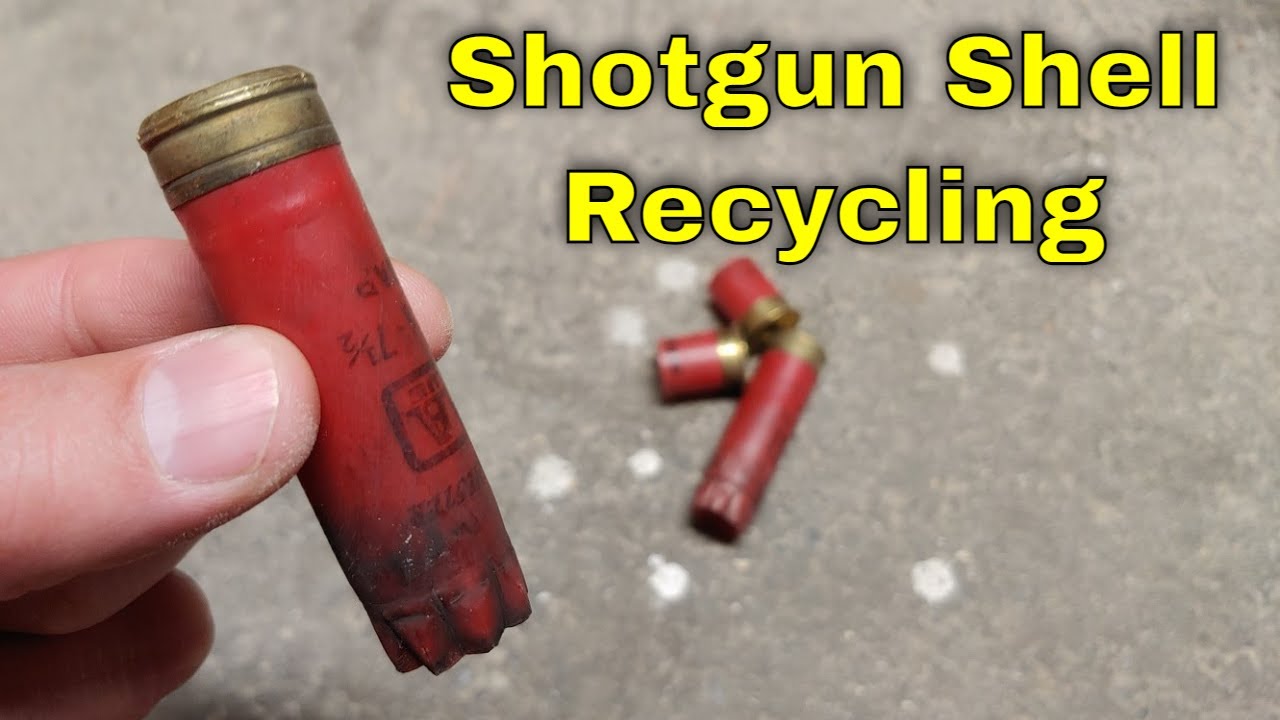

Environmental Benefits: Keeping It Clean
Recycling scrap ammo plays a crucial role in reducing environmental pollution. By reclaiming materials like brass, steel, and lead, we prevent these substances from leaching into the soil and water, keeping our ecosystems healthier. It’s a simple yet effective way to minimize our impact on the planet.
Economic Benefits: Saving Green
There’s more to recycling than just environmental perks. It also makes good economic sense. By reusing metals from spent casings and bullets, we reduce the need for costly raw materials. This not only saves money for manufacturers but also creates opportunities for businesses in the recycling sector.
How You Benefit: It’s a Win-Win
Supporting recycling efforts isn’t just about saving the planet—it’s about contributing to a sustainable future for everyone. By choosing products made from recycled ammo materials, you’re promoting a circular economy where resources are used efficiently and waste is minimized.
Taking Action: Your Role Matters
Whether you’re a shooter, a range owner, or simply someone who cares about the environment, your support for recycling scrap ammo makes a difference. Encouraging others to join the effort and advocating for sustainable practices helps build a community committed to preserving our planet.
Join the Movement: Get Involved
Next time you think about what happens to your used ammo, remember the positive impact recycling can have. It’s not just about pulling the trigger—it’s about aiming for a cleaner, greener future. Together, we can make every shot count, both on and off the range.
Methods of Recycling Scrap Ammo
Ever wondered how scrap ammo gets a second life? Let’s explore the innovative methods that turn used casings and bullets into valuable resources for the future.
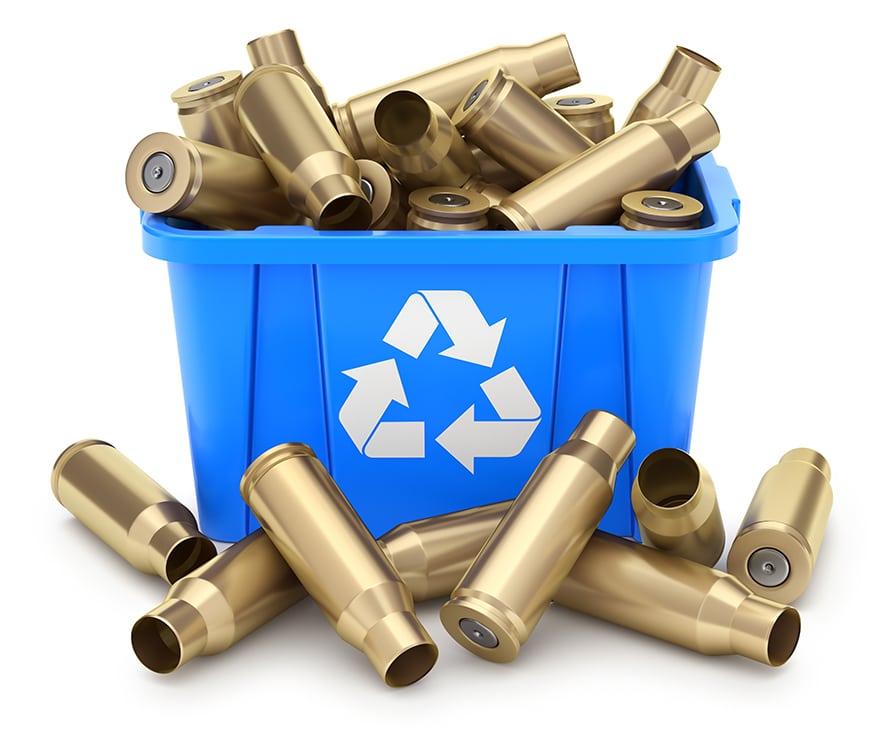

Sorting and Collection: Gathering Resources
Recycling scrap ammo begins with collecting spent casings and bullets from shooting ranges, military installations, and other sources. This initial step involves gathering materials that are then sorted based on their composition and condition.
Decontamination and Preparation: Safety First
Once collected, the materials undergo thorough cleaning and decontamination processes. This ensures that any hazardous substances, such as lead residues, are safely removed. These steps are critical for protecting both the environment and the health of those involved in the recycling process.
Processing Techniques: From Old to New
After cleaning, the materials are processed through melting and refining techniques. This transforms them into raw materials that can be used to create new products, such as new casings or other metal goods. It’s a way of giving old ammo a fresh start while conserving natural resources.
Why It Matters: Beyond Waste Reduction
By employing these recycling methods, we not only reduce waste but also conserve energy and resources. Recycling scrap ammo minimizes the need for extracting and processing new metals, which can be resource-intensive and environmentally taxing.
Getting Involved: Supporting Sustainability
Whether you’re a range owner, shooter, or simply someone interested in sustainable practices, understanding these recycling methods empowers you to make informed choices. Supporting recycling efforts not only benefits the environment but also strengthens local economies through resource efficiency.
Join the Effort: Make a Difference
Next time you think about what happens after firing your shots, consider the impact of recycling scrap ammo. It’s a small yet significant way to contribute to a cleaner, more sustainable world. Together, we can aim for a future where recycling is the norm, not the exception.
Challenges and Considerations
Recycling scrap ammo comes with its own set of challenges and considerations. Let’s explore what it takes to ensure this process is safe, effective, and beneficial for everyone involved.


Regulatory and Safety Compliance: Following the Rules
One of the primary challenges in recycling scrap ammo is adhering to stringent environmental and safety regulations. These regulations govern how materials are handled, processed, and disposed of to minimize environmental impact and ensure worker safety.
Technological Limitations: Tools of the Trade
Another consideration is the technology required for effective recycling. Advanced sorting technologies are needed to efficiently separate different types of metals and materials. Additionally, handling hazardous substances like lead requires specialized equipment and procedures to protect workers and the environment.
Why It Matters: Balancing Act
Navigating these challenges is crucial for maintaining the integrity of the recycling process. By addressing regulatory requirements and investing in technology, we can ensure that recycling scrap ammo continues to be a sustainable and safe practice.
Looking Ahead: Innovation and Improvement
Despite these challenges, ongoing research and development are paving the way for innovative solutions. New technologies and processes are being explored to enhance efficiency, reduce costs, and improve environmental outcomes. It’s a dynamic field that continues to evolve.
Your Role: Supporting Progress
Whether you’re a stakeholder in the firearms industry or a concerned citizen, understanding these challenges empowers you to advocate for responsible recycling practices. By supporting advancements in technology and policy, you contribute to a more sustainable future for recycling scrap ammo.
Join the Conversation: Stay Informed
Stay informed about the latest developments in recycling technology and regulations. Engage with community initiatives and industry efforts to promote responsible recycling practices. Together, we can overcome challenges and make recycling scrap ammo a cornerstone of environmental stewardship.
Case Studies and Examples
Curious about how recycling scrap ammo is making a difference? Let’s explore some real-world examples and success stories that highlight the impact of this sustainable practice.
Successful Recycling Programs: Leading by Example
Military Initiatives: Many military organizations worldwide have implemented robust recycling programs for scrap ammo. These programs not only reduce waste on military ranges but also contribute to broader environmental goals by reclaiming valuable materials.
Commercial Recycling Facilities: Beyond military efforts, commercial recycling facilities play a crucial role in processing and repurposing scrap ammo. These facilities use advanced technologies to efficiently sort and recycle materials, ensuring that resources are reused effectively.
Impact on Communities: Local Benefits
Recycling scrap ammo doesn’t just benefit the environment—it also supports local economies and communities. By creating jobs in recycling and manufacturing sectors, these initiatives contribute to economic growth and stability in areas where recycling facilities are located.
Public Perception and Acceptance: Shaping the Narrative
Public perception of recycling scrap ammo is evolving positively. As awareness grows about the environmental and economic benefits, more individuals and organizations are embracing recycling as a responsible practice. This shift in perception reinforces the importance of sustainable initiatives.
Why It Matters: Lessons Learned
Learning from successful case studies and examples helps us understand the practical benefits of recycling scrap ammo. By highlighting these success stories, we can inspire others to adopt similar practices and contribute to global efforts towards sustainability.
Joining Forces: Together for Change
Whether you’re a supporter of recycling efforts or simply interested in environmental stewardship, staying informed about successful case studies empowers you to advocate for responsible practices in your community. Together, we can build a more sustainable future through recycling scrap ammo.
Take Action: Making a Difference
Next time you hear about recycling scrap ammo, think about the positive impact it has on both the environment and local communities. By supporting recycling initiatives and spreading awareness, you can play a crucial role in shaping a greener, more sustainable world.
Future Trends and Innovations
Wondering what the future holds for recycling scrap ammo? Let’s explore emerging trends and innovative developments that are shaping the future of this sustainable practice.

Research and Development: Paving the Way
Advancements in recycling technology are transforming the way we reclaim and reuse materials from scrap ammo. Researchers and industry innovators are exploring new techniques to improve efficiency, reduce environmental impact, and enhance safety in the recycling process.
Alternative Materials: Thinking Outside the Bullet
Beyond traditional metals like brass and steel, researchers are investigating alternative materials for use in ammunition. These materials may offer environmental benefits, such as reduced toxicity or improved recyclability, while maintaining performance standards for firearms.
Improved Recycling Techniques: Smarter Solutions
Innovative recycling techniques are being developed to extract and refine metals more effectively from spent casings and bullets. These techniques aim to maximize resource recovery while minimizing energy consumption and waste generation during the recycling process.
Policy and Advocacy: Shaping the Future
Legislative efforts and industry initiatives play a crucial role in promoting responsible recycling practices for scrap ammo. Policymakers are increasingly recognizing the importance of supporting recycling infrastructure and incentivizing sustainable practices within the firearms industry.
Why It Matters: Towards a Sustainable Future
By investing in research, promoting policy changes, and adopting innovative techniques, we can pave the way for a more sustainable future for recycling scrap ammo. These efforts not only benefit the environment but also support economic growth and community well-being.
Get Involved: Driving Change
Whether you’re a researcher, policymaker, or advocate for sustainability, staying informed about future trends and innovations in recycling scrap ammo empowers you to drive positive change. Together, we can shape a future where recycling is an integral part of responsible resource management.
Conclusion
As we wrap up our exploration of recycling scrap ammo, let’s recap the key points and consider the path forward towards a more sustainable future.
Recap of Benefits: Making Every Shot Count
Recycling scrap ammo isn’t just about cleaning up after a day at the range—it’s about making a positive impact on our environment and economy. By reclaiming materials like brass, steel, and lead, we reduce waste, conserve resources, and support local industries.
Call to Action: Joining the Movement
Now more than ever, it’s crucial to support recycling efforts and advocate for responsible practices. Whether you’re a shooter, range owner, or concerned citizen, your actions matter. Encourage others to recycle scrap ammo, choose recycled products, and spread awareness about the benefits of sustainability.
Building a Sustainable Future: Together, We Can
By working together, we can create a future where recycling scrap ammo is the norm rather than the exception. Embracing innovative technologies, supporting policy changes, and promoting community engagement are key steps towards achieving this goal.
Final Thoughts: Aim High
Next time you hear the clang of empty casings hitting the ground, remember the potential they hold for a cleaner, greener future. Each recycled casing and bullet represents a step towards sustainability and environmental stewardship. Let’s aim high and make every shot count—for our planet and future generations.


Dr. Alexander Tabibi is an entrepreneur, investor, and advocate for sustainable innovation with a deep commitment to leveraging technology for environmental and social good. As a thought leader at the intersection of business and sustainability, Dr. Tabibi brings a strategic vision to Green.org, helping guide its mission to inspire global climate awareness and actionable change.
With a background in both medicine and business, Dr. Tabibi combines analytical rigor with entrepreneurial insight.