


Contents
Introduction
Ever wondered what happens to those twinkling Christmas lights once the holiday season is over? It turns out, they pose a unique challenge when it comes to disposal. Many people toss them in the trash, but did you know there’s a better way? Recycling your Christmas lights not only helps clean up after the festivities but also reduces our environmental footprint.
Imagine this: each year, millions of households across the globe decorate their homes with strands of lights. These lights, whether they’re the traditional incandescent kind or the energy-efficient LED bulbs, are made from materials like copper, plastic, and glass. But when these lights burn out or break, simply throwing them away means they end up in landfills, where they don’t break down easily and can release harmful substances.
By recycling your old Christmas lights, you’re doing your part to keep these materials out of landfills. You’re helping to conserve valuable resources like copper, which is a finite natural resource, and reducing the energy needed to produce new materials. Plus, recycling cuts down on electronic waste, which is a growing concern as technology advances.
So, how can you recycle your Christmas lights? What are your options, and why does it matter? Let’s dive into the world of Christmas light recycling and discover how easy and beneficial it can be to give your old lights a new life.
Understanding Christmas Lights
Ever wondered about the different types of Christmas lights and what they’re made of? Whether you’re untangling a string of old-fashioned incandescent lights or marveling at the brightness of modern LED bulbs, each type has its own characteristics.
Let’s break it down. Traditional incandescent lights use small tungsten filaments inside glass bulbs. They’ve been around for decades, emitting a warm, cozy glow that many of us associate with the holiday season. On the other hand, LED lights, which have gained popularity in recent years, use light-emitting diodes that are more energy-efficient and longer-lasting than their incandescent counterparts. They come in a variety of colors and styles, from classic white to vibrant hues.
Now, what about the parts that make up these lights? Well, there’s more to it than just bulbs. Christmas lights have wires to carry electricity, plugs to connect them to power sources, and often, plastic casings or covers to protect the bulbs and wiring from weather and wear.
Understanding these basics helps us appreciate why recycling Christmas lights is important. Each component, from the copper wiring to the glass bulbs and plastic casings, can be reused or repurposed through recycling programs. By recycling your old lights, you’re not only decluttering your home but also contributing to environmental sustainability by conserving resources and reducing waste.
Challenges of Recycling Christmas Lights
You might think recycling Christmas lights is as easy as tossing them in the bin with your glass bottles or cardboard boxes. But here’s the twist: these twinkling decorations come with their own set of recycling challenges.


First off, let’s talk materials. Christmas lights contain a mix of components like copper wiring, plastic casings, and glass bulbs. While these materials are recyclable, they need to be separated and processed correctly. Copper, for example, is valuable but must be extracted from the wires and properly recycled to retain its quality. The same goes for plastics and glass, which can be reused if processed correctly.
Another challenge is toxicity. Older Christmas lights, especially those manufactured before regulations tightened, may contain hazardous substances like lead. Proper disposal and recycling ensure these substances don’t leach into the environment, protecting both our health and the planet.
Then there’s the practical side. Not all recycling centers or programs accept Christmas lights. Municipal recycling programs vary widely in what they’ll take, and some may not have the capacity to handle holiday decorations. That’s where retailer take-back programs and specialized e-waste recycling centers come in handy—they’re designed to handle tricky items like Christmas lights, ensuring they’re recycled responsibly.
Understanding these challenges empowers us to make informed decisions about how we dispose of our holiday decorations. In the next section, we’ll explore the various recycling options available and how you can easily recycle your Christmas lights to give them a new purpose.
Recycling Options for Christmas Lights
Now that we’ve covered the challenges, let’s dive into how you can actually recycle those old Christmas lights. It’s not just about tossing them in the trash—there are several avenues you can explore to ensure they’re recycled responsibly.
- Municipal Recycling Programs: Many local recycling programs accept electronic waste, including Christmas lights. Check with your city or town to see if they have specific drop-off locations or collection events for holiday lights. Some programs may require you to remove bulbs or separate components before dropping them off.
- Retailer Take-Back Programs: Big-name retailers like Home Depot and Lowe’s often offer recycling programs for various items, including Christmas lights. These programs typically allow you to bring in your old lights, regardless of where you purchased them, for recycling. It’s a convenient option if you’re already planning a trip to a home improvement store.
- E-waste Recycling Centers: Specialized e-waste recycling centers are equipped to handle electronic items, including Christmas lights. These facilities have the expertise to safely dismantle and recycle the different components of your lights, ensuring that valuable materials like copper and plastics are recovered and reused.
By exploring these recycling options, you’re not only preventing your old Christmas lights from ending up in landfills but also contributing to resource conservation and environmental sustainability. In the next section, we’ll discuss practical steps you can take to prepare your lights for recycling, making the process even smoother.
Preparing Christmas Lights for Recycling
Ready to give your old Christmas lights a new lease on life? Here’s how you can prepare them for recycling in just a few easy steps:


- Remove Bulbs and Components: Before recycling, it’s important to remove bulbs and any other components that can be separated. Some recycling programs or centers may require bulbs to be removed for safety reasons or to facilitate easier processing.
- Sort Materials: Once you’ve dismantled your lights, sort the materials into categories like copper wiring, plastic casings, and glass bulbs. This makes it easier for recyclers to handle and process each material efficiently.
- Clean and Package: While not always necessary, cleaning your Christmas lights before recycling can help remove dirt and ensure they meet recycling facility standards. Package the materials securely to prevent damage during transportation.
By taking these simple steps, you’re not only making it easier for recycling facilities to handle your old Christmas lights but also maximizing the amount of materials that can be recovered and reused. In the next section, we’ll explore the environmental benefits of recycling Christmas lights, highlighting why your efforts make a real difference.
Environmental Benefits of Recycling Christmas Lights
Recycling your old Christmas lights isn’t just about decluttering your storage—it’s a small but meaningful way to make a positive impact on our planet. Here are some key environmental benefits to consider:
- Reduction of Electronic Waste: Electronic waste, or e-waste, is a growing concern worldwide. By recycling your Christmas lights, you’re diverting these items from landfills where they could contribute to pollution and take up valuable space.
- Conservation of Resources: Christmas lights contain materials like copper, plastic, and glass, all of which require energy and resources to produce. Recycling these materials reduces the need for raw materials, conserving natural resources and reducing the environmental footprint of manufacturing.
- Energy Savings: Recycling materials like copper and plastic from old lights consumes less energy than producing new materials from scratch. This energy savings contributes to overall environmental sustainability by reducing greenhouse gas emissions and other pollutants associated with manufacturing processes.
By choosing to recycle your Christmas lights, you’re not only contributing to a cleaner environment but also supporting a circular economy where materials are reused and repurposed. In the next section, we’ll explore creative ways to upcycle or reuse your old lights, turning them into new treasures for future holiday seasons.
Innovative Uses for Recycled Christmas Lights
Got old Christmas lights lying around? Instead of tossing them out, consider giving them a new life through creative upcycling projects. Here are some fun and practical ways to reuse your recycled lights:
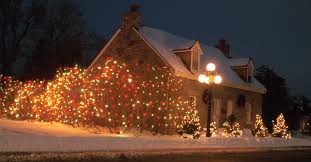

- DIY Crafts and Decorations: Transform old bulbs into charming ornaments or wreaths for next year’s holiday season. You can paint them, wrap them in twine, or use them to create personalized gifts for friends and family.
- Garden and Outdoor Décor: String up old lights in your garden or patio to create a cozy ambiance during outdoor gatherings. You can weave them through trellises, wrap them around tree trunks, or even use them to outline pathways for a magical effect after dark.
- Home Décor and Accent Lighting: Incorporate recycled lights into everyday home décor. Fill glass jars or vases with strings of lights to create elegant centerpieces, or use them to add a warm glow to shelves, mantels, or even staircases.
- Artistic Installations: Get creative with large-scale art installations or displays using recycled lights. Whether it’s for a community event, art project, or seasonal display, repurposed Christmas lights can bring a touch of whimsy and creativity to any setting.
By upcycling your old Christmas lights, you’re not only reducing waste but also tapping into your creativity and adding unique touches to your home and surroundings. In the next section, we’ll wrap up our discussion with a recap of the importance of recycling Christmas lights and a call to action for responsible disposal practices.
Conclusion
As we wrap up our journey through the world of recycling Christmas lights, one thing is clear: your small actions can make a big difference for our planet. By choosing to recycle your old lights, you’re not only keeping them out of landfills but also contributing to resource conservation, energy savings, and environmental sustainability.
Recycling Christmas lights is easier than ever, with options like municipal recycling programs, retailer take-back programs, and specialized e-waste recycling centers. These avenues ensure that your lights are recycled responsibly, with valuable materials like copper and plastic being reused in new products.
Let’s continue to be mindful of our environmental impact, especially during the holiday season when decorations add sparkle to our homes. By incorporating recycling into our holiday traditions, we can create a brighter future for generations to come.
So, the next time you untangle those strands of lights or pack away your holiday decorations, remember the power of recycling. Together, we can make every season a little greener and more sustainable.


Dr. Alexander Tabibi is an entrepreneur, investor, and advocate for sustainable innovation with a deep commitment to leveraging technology for environmental and social good. As a thought leader at the intersection of business and sustainability, Dr. Tabibi brings a strategic vision to Green.org, helping guide its mission to inspire global climate awareness and actionable change.
With a background in both medicine and business, Dr. Tabibi combines analytical rigor with entrepreneurial insight.