


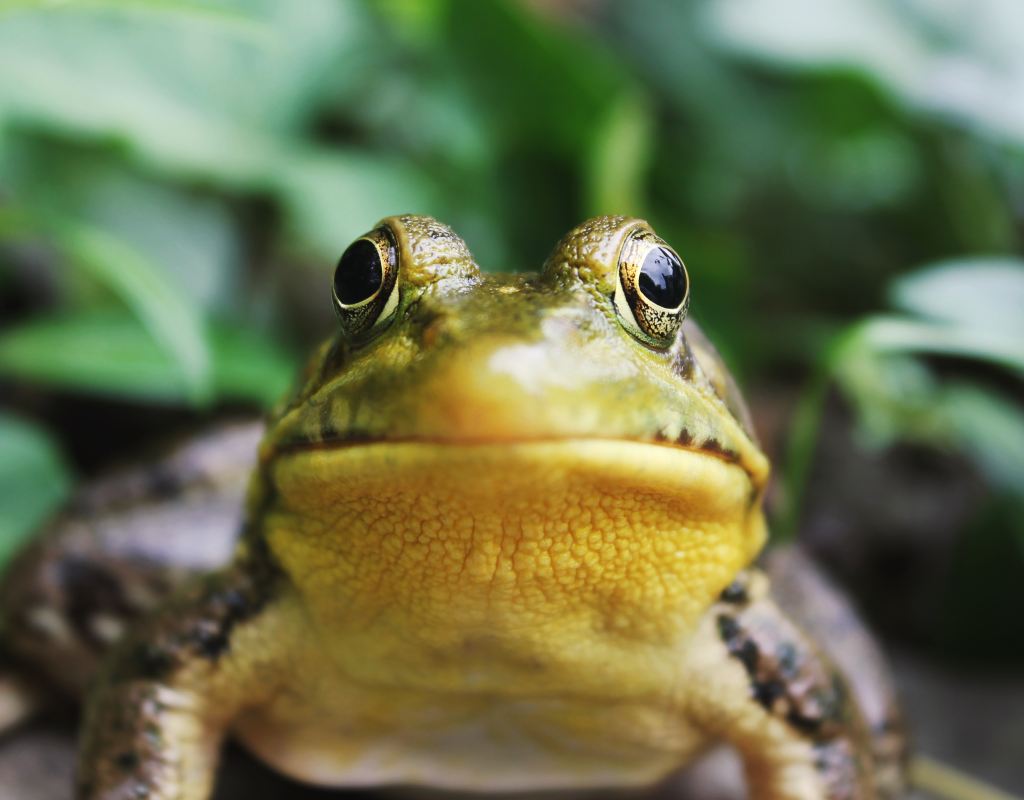
A groundbreaking study by Stockholm University has unveiled startling transgenerational effects of the pesticide linuron on frogs, marking a significant advance in our understanding of environmental pollution and its long-term impacts on amphibian populations. Published in the Science of the Total Environment, this research underscores the dire consequences of synthetic chemical pollution, particularly through endocrine-disrupting pesticides, on critical species in our ecosystems.
Contents
Pioneering Research on Amphibians
Amphibians are pivotal to the balance of our ecosystems, yet they stand on the brink of extinction, with nearly half of all species at risk. The study led by Associate Professor Oskar Karlsson reveals that the ramifications of exposure to pesticides like linuron are not just immediate but span across generations, affecting the DNA and physiological functions of frogs’ descendants.
The Legacy of Linuron: Altered DNA Across Generations


The findings from the study are both alarming and illuminating. Male frogs exposed to linuron pass on significant epigenetic alterations to their offspring, leading to changes in spermatogenesis, body weight, and metabolism. These modifications are rooted in shifts in DNA methylation, impacting genes vital for hormone signaling and development.
Uncovering the Mechanism: How Pesticides Influence Generations
This transgenerational transmission of pesticide effects likely occurs during fertilization, where sperm not only carries genetic but also epigenetic information from prior generations. The study suggests that linuron disrupts hormonal functions, which are then inherited by subsequent generations, leading to lasting changes in gene regulation.
A Call for Change in Chemical Risk Assessment
The insights provided by this research emphasize the critical need for incorporating transgenerational studies into chemical risk assessments. With a deeper understanding of pesticide toxicity mechanisms, there’s a pressing urgency to protect biodiversity for future generations.
As the debate around environmental pollutants and their regulation intensifies, the findings from Stockholm University serve as a crucial reminder of our responsibility to safeguard the intricate web of life that sustains our planet.
Further Reading, Credit & Resources
This article was enriched by insights from various sources. For further exploration of the topics discussed, delve into the following resources:
EurekAlert


Dr. Alexander Tabibi is an entrepreneur, investor, and advocate for sustainable innovation with a deep commitment to leveraging technology for environmental and social good. As a thought leader at the intersection of business and sustainability, Dr. Tabibi brings a strategic vision to Green.org, helping guide its mission to inspire global climate awareness and actionable change.
With a background in both medicine and business, Dr. Tabibi combines analytical rigor with entrepreneurial insight.