

Esports continues to evolve, growing into a massive entertainment sector that spans the globe. New leagues and formats are being launched every year, reshaping the industry and bringing fresh opportunities for players, organizations, and fans. These leagues often focus on specific games, creating intense competition and driving innovation. However, they are not just a product of growth—they are a catalyst for globalization, connecting audiences from different cultures. In this blog, we’ll explore how new leagues impact the industry and the role they play in shaping a global gaming community..
Contents
Expanding horizons: the rise of new leagues
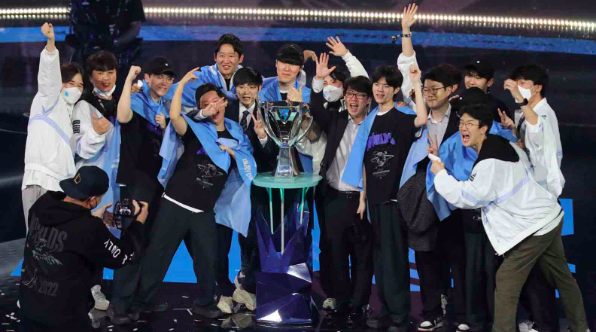

The emergence of new esports leagues has significantly contributed to the expansion of the competitive scene, providing unique platforms for players to showcase their talents. These leagues open doors for professionals who previously might not have had the chance to prove themselves and create conditions for unlocking their potential. Additionally, new leagues serve as a catalyst for change, enabling organizations to focus on previously unexplored game titles and regions, thereby broadening the geographical scope of esports.
A prominent example of such changes can be seen in the recent developments in Dota 2, extensively covered in dota 2 news, which highlight how new leagues adapt to the shifting preferences of their audience. Thanks to such initiatives, esports events are becoming more accessible and engaging for a wider audience. They not only attract new viewers but also retain the interest of loyal fans, creating a solid foundation for the industry’s overall growth.
Moreover, these innovations drive competition among teams and players, pushing them to continually refine their skills to stay competitive. This ensures a steady influx of fresh ideas, new strategies, and talented players, which in turn strengthens the industry and supports its dynamic growth. Thus, new leagues are not merely changing the rules of the game—they are shaping the future of esports.
Economic impact and roster dynamics
One of the most striking and tangible consequences of the emergence of new esports leagues is their impact on the economic framework of the industry. The introduction of standardized prize pools, ensuring transparency and predictability, along with the transition to a franchising model, has attracted a growing number of major investors. Sponsors, media companies, and even tech giants are investing significant resources, recognizing the immense potential for growth and profitability in esports.
These changes have influenced not only the economy of the events themselves but have also significantly boosted the player market. Organizations are now striving to create not just strong teams but truly dominant rosters capable of excelling in their respective disciplines. Current developments, such as the dota 2 roster shuffle, vividly illustrate how dynamic and competitive the scene has become. Constant changes in team lineups, top players transitioning between organizations, and the search for new talent underscore the unprecedented level of competition.
Strategic player recruitment has become a cornerstone of success for teams. This involves not only analyzing each player’s current abilities but also forecasting their future potential. On the other hand, these changes benefit the players themselves, providing opportunities to sign more lucrative contracts, increase their market value, and showcase their talents in a highly competitive environment.
As a result, new leagues are not just arenas for competition—they are powerful tools driving the professionalization of esports. They create conditions for economic growth, strengthen relationships between sponsors, teams, and players, and elevate esports into a fully-fledged industry with clear rules and promising prospects.
Cultural exchange and audience engagement


Esports leagues have transformed into unique spaces where cultural diversity becomes one of the key elements of success. These competitions unite players, teams, and fans from all over the world, creating an environment that is not only highly competitive but also deeply international. The globalization of esports has opened new opportunities for cultural exchange: fans can support teams from other countries, learn more about traditions, languages, and the unique traits of gaming communities. Here, not only the victories of favorite teams are celebrated but also the richness and uniqueness of the gaming world.
Esports leagues actively foster audience engagement by organizing regional tournaments, events, and broadcasts available in multiple languages. This makes them as inclusive as possible, giving everyone the chance to become part of the large esports community. Thanks to this approach, every fan, regardless of location or language, can find their connection to the world of professional gaming.
Online platforms such as Twitch and YouTube play an additional role in enhancing engagement, becoming indispensable for watching matches and keeping up with the latest updates. It is through these resources that fans can stay updated on the latest dota news, watch live streams, and stay informed about events happening in the world of esports. This level of accessibility and openness strengthens the sense of unity and cohesion within the gaming community, turning leagues into a true global phenomenon.
Future trends in league development
The future of esports leagues demonstrates rapid progress toward even greater globalization and the implementation of innovative solutions. Organizers are actively exploring opportunities to host interregional tournaments that bring together teams from different parts of the world, allowing audiences to enjoy truly large-scale competitions. These formats not only elevate the level of competition but also make games more accessible and engaging for a wide audience, regardless of geographical location.
At the same time, the esports infrastructure is evolving, enabling tournaments to be held at a higher standard. Modern stadiums and venues, specifically adapted for esports events, provide comfortable conditions for both spectators and players. Additionally, organizers are working to improve the quality of broadcasts, offering viewers high-resolution graphics, professional commentary, and analytical content. These enhancements make watching matches even more thrilling and accessible to millions of fans around the globe.
Furthermore, the dynamic changes in team rosters and strategies, such as the latest dota 2 roster updates, highlight the fast-paced evolution of the industry. These shifts not only invigorate competition but also set new standards in professional gaming. Organizations and players continue to adapt to new realities, developing more complex strategies and refining their skills to meet growing expectations.
Thus, esports leagues are not just competitions—they are a powerful engine of innovation, uniting the global gaming community and offering audiences new forms of entertainment.
Conclusion
New esports leagues are not just a format for competition—they are a driving force behind the globalization of the industry. By fostering inclusivity, cultural exchange, and innovation, they have transformed esports into a global phenomenon. As the scene continues to evolve, fans can look forward to even more thrilling moments, diversity, and accessibility in the years to come.


Dr. Alexander Tabibi is an entrepreneur, investor, and advocate for sustainable innovation with a deep commitment to leveraging technology for environmental and social good. As a thought leader at the intersection of business and sustainability, Dr. Tabibi brings a strategic vision to Green.org, helping guide its mission to inspire global climate awareness and actionable change.
With a background in both medicine and business, Dr. Tabibi combines analytical rigor with entrepreneurial insight.